
Recommended Free Tools
iTechGuides is reader-supported. When you buy through links on our site, we may earn an affiliate commission. As an Amazon Associate I earn from qualifying purchases. Learn more
The safest volcanic emergency kit for a Hawaiʻi household has two parts: a 14-day supply kept at home and a lightweight go-kit that can leave with you quickly. Pack water, nonperishable food, medicines, first aid, hygiene supplies, light, a radio, sturdy clothing and shoes, documents, pet supplies and a certified N95 particulate respirator for ash. An N95 does not protect against sulfur dioxide or other volcanic gases. Conditions and orders vary by location, so check your county emergency management agency and the USGS Hawaiian Volcano Observatory for current information before relying on any general checklist.
What hazards should your kit cover?
Volcanic activity can create several different problems at once. Lava, ash fall, vog, earthquakes, power interruptions, blocked roads and evacuation orders are location-specific. An area far from a vent can still be affected when wind carries ash or volcanic emissions downwind. A kit prepares you to shelter briefly, leave promptly or manage disrupted services; it cannot make an unsafe area safe.
Ash and tephra
Ash is made of tiny rock and glass particles. Downwind exposure can irritate or injure the eyes and breathing passages and can irritate skin or open wounds. A certified N95 particulate respirator may reduce inhalation of ash particles when it fits correctly and is used according to its instructions. Keep in mind that availability, fit and suitability differ by person and task.
What’s actually slowing this PC down?
Pick the symptom - the matching free tool is one click away.
Vog and sulfur dioxide
Vog is volcanic smog produced by volcanic emissions and is not confined to the eruption site. Sulfur dioxide (SO2) is a gas hazard, not an ash particle. An N95 respirator does not protect you from SO2 or make a gas hazard safe. People with asthma or other respiratory conditions should discuss a personal plan with their clinician and follow current public-health advice.
#1 Best Overall
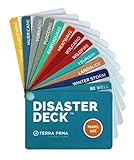
- KNOW EXACTLY WHAT TO DO — When a wildfire, earthquake, or hurricane hits, the brain freezes — even for prepared people. The Disaster Deck gives you clear, calm, step-by-step actions for 12 real disasters so you and your family move with confidence, not panic. No searching, no guessing. Just open it and go.
- 12 DISASTERS, ONE POCKET-SIZED DECK — Covers wildfire, earthquake, hurricane, flooding, tornado, tsunami, power outage, extreme heat, volcano, lightning, landslide, and emotional wellness — because staying mentally grounded is part of surviving any emergency. Color-coded guides make the right action instantly obvious, even under stress.
- READY WHEREVER LIFE TAKES YOU — Lightweight and waterproof — built for real conditions, not a bookshelf. Slips into a bug out bag, glove box, backpack, purse, or emergency kit without taking up space. Perfect for families, campers, hikers, travelers, and anyone who wants to feel genuinely prepared without being overwhelmed by it.
- EXPERT-BACKED, REAL-WORLD TESTED — Developed with emergency preparedness professionals and trauma-informed experts — not generic internet checklists. Includes proven mental wellness steps to reduce panic and help your whole family stay focused when it matters most. This is disaster resilience, not just disaster information.
- MADE IN THE USA BY A WOMEN-OWNED SMALL BUSINESS — Terra Frma is built on one belief: preparedness should feel like relief, not fear. Every guide is made in the USA with high-quality, durable materials designed to last through real emergencies — and real life. A thoughtful gift for parents, new homeowners, college students, or anyone you want to feel safe.
Disruption and evacuation
The same event that produces ash or vog can interrupt electricity, communications, transport, food access and medical services. Your supplies should therefore support both a temporary stay at home and an evacuation. Always follow the current instruction for your location rather than inferring safety from the appearance of roads, skies or nearby neighborhoods.
Build two layers of supplies
Hawaiʻi Department of Health guidance encourages a 14-day emergency supply kit. The Hawaiʻi Emergency Management Agency (HIEMA) has also recommended a 14-day family go-kit. Treat those as a planning horizon, then adapt quantities to the people, animals, medical needs and official guidance for your household.
| Layer | Purpose | Where to keep it | What belongs in it |
|---|---|---|---|
| Home supply cache | Support the household when stores, utilities or roads are disrupted | A cool, accessible place protected from moisture | Water, nonperishable food, medicines, medical necessities, hygiene items, first aid, pet supplies and backup light and information equipment |
| Portable evacuation go-kit | Leave immediately when officials direct evacuation or conditions require it | Near an exit, in bags that household members can carry | Compact food and water, essential medicines, documents, clothing, sturdy shoes, face coverings, gloves, sanitizer, flashlight, batteries, radio, whistle and pet necessities |
Do not make the portable bag so heavy that a person who must walk, care for a child or assist another household member cannot carry it. Keep bulky reserves in the home cache, while placing irreplaceable items and a short-term set of essentials in the go-kit.
Crashes, No Sound, or Screen Glitches?
Random freezes, missing sound and display glitches usually trace back to one bad driver. Find and replace yours safely.Free scan · under a minuteWindows Errors? Fix Them Before They Spread
Repair common Windows errors and clear accumulated junk for a smoother, more stable PC - no reinstall needed.Free scan · no reinstallHome cache versus portable go-kit
These layers solve different problems. The home cache is a reserve for isolation or a prolonged utility interruption. It can include larger food packages, extra hygiene products, replacement batteries and supplies that are inconvenient to carry. The go-kit is an evacuation tool: it should be compact, immediately visible and organized so one person can find medicines, identification or pet equipment without unpacking everything.
Divide weight among household members and use smaller bags when that is safer than one large pack. A child may carry only a light personal bag; an adult should retain documents, medicines and the radio. Keep a short list taped inside each bag so another person can identify its contents. If you have more than one likely exit, place the kit where it can be reached from the safest route without crossing a garage, room or storage area that could be blocked.
What should I put in an emergency kit for a volcano?
Use this checklist as a starting point, then make a separate list for every person and pet. HIEMA’s general go-kit guidance includes the categories below.
Rank #2

- COMPLETE 4-PERSON DISASTER SUPPLY KIT: Built to support four people for up to 72 hours with emergency food, drinking water, first aid, shelter, lighting, hygiene and survival gear packed together in one portable backpack for fast access at home or work.
- FOOD & WATER FOR 3-DAY PREPAREDNESS: Includes four 2,400-calorie emergency food bars and four 1-liter Aqua Literz cartons, plus survival blankets, ponchos and lightsticks to help support your household during outages, evacuations and major disasters.
- FIRST AID & SAFETY ESSENTIALS: Includes a 107-piece first aid kit, safety goggles, nitrile gloves, leather work gloves, biohazard bags, hygiene supplies and an emergency whistle to help support personal protection and comfort when conditions turn chaotic.
- POWER, LIGHTING & SURVIVAL TOOLS: Hand-crank emergency power station combines flashlight, AM/FM radio, siren and cell phone charging, while a multi-function tool, duct tape and emergency lightsticks add practical support for blackouts and evacuations.
- BUILT FOR HOME, WORK & EVACUATION: Grab-and-go 4-person emergency backpack is ideal for earthquake kits, hurricane supplies, wildfire evacuation, blackout preparedness, offices, vehicles and family disaster planning when critical supplies must move fast.
Water and food
- Store drinking water for every household member and pet, using quantities based on local official guidance, household size and individual needs.
- Choose nonperishable foods that household members will actually eat and that do not depend on electricity, refrigeration or a complicated cooking method.
- Include a manual can opener if any food is packaged in cans.
- Keep food for infants, older adults, people with allergies and anyone who needs a therapeutic or special diet.
There is no single water amount that fits every Hawaiʻi household in every emergency. Calculate the requirement with your county’s current recommendations and add what is needed for pets, medical care and hot conditions. Replace stored items before they expire and record the replacement date on the container.
Medicines and health supplies
- Pack prescription medicines and other essential medical supplies, including items that require regular refrigeration or power; make a practical backup plan with a clinician or pharmacist.
- Include a first-aid kit and any routine over-the-counter products your household uses.
- People with asthma, chronic lung disease or other respiratory problems should ask their clinician what to do during ash or vog exposure and which supplies to keep available.
- Include spare eyeglasses, hearing-aid batteries, mobility equipment supplies and communication aids when applicable.
Protection from ash and basic hygiene
- Keep certified N95 particulate respirators for ash exposure. Check the package instructions and fit requirements; a respirator may not fit every face and is not a substitute for evacuation or shelter.
- Pack additional face coverings, disposable or washable gloves and hand sanitizer.
- Add soap, toilet paper, menstrual products, diapers, wipes, toothbrushes and other personal hygiene supplies.
- Include eye-care supplies and any skin products needed for irritation or open wounds.
Light, information and communications
- Pack a flashlight and spare batteries.
- Keep a battery-powered or hand-crank radio. Radio may continue operating during emergencies, severe weather and power outages when other channels are unavailable.
- Charge phones and backup batteries when an alert is issued, but do not treat a phone as your only source of emergency information.
- Add a whistle so a person can signal for help if separated or trapped.
Clothing and evacuation essentials
- Choose sturdy, closed-toe shoes and a change of clothes for each person.
- Include gloves suitable for handling dusty or rough materials.
- Pack copies of important documents, identification, insurance details, emergency contacts and medical information in a waterproof container.
- Use bags that can be carried quickly and keep keys accessible.
Supplies for pets and assistance animals
- Pack food, water, medicines, identification, a leash or carrier and waste supplies for each animal.
- Keep vaccination or medical records and a recent photograph with the household documents.
- Plan where the animal can go if a shelter or lodging site has restrictions; never delay an evacuation order while searching for supplies.
Does an N95 mask protect me from volcanic ash or vog?
It can help with ash particles, but it does not protect against vog gases such as sulfur dioxide. This distinction is central to safe preparation:
| Exposure | What an N95 particulate respirator may do | What it cannot do |
|---|---|---|
| Volcanic ash particles | Reduce inhalation of particles when the respirator is certified, fits the wearer and is used as directed | Guarantee protection if it leaks, is damaged or is used incorrectly |
| Vog or sulfur dioxide gas | No reliable gas protection | It does not filter SO2 and does not make a gas-filled area safe |
Read the respirator’s labeling and instructions before an emergency. Do not assume that a loose face covering, a child-sized or adult-sized model, facial hair or a damaged mask provides the same protection as a properly fitted certified respirator. If officials advise you to leave, leave; do not stay because you have a mask.
Keep respirators sealed from moisture and inspect them periodically. Replace any that are soiled, wet, crushed or otherwise damaged, and make sure each person who may need one can use the model selected. A face covering can also help keep ash from irritating the mouth and nose, but it should not be described as equivalent to a certified particulate respirator.
How to prepare before an eruption or ash event
- Identify your local authorities. Find your county emergency management agency, subscribe to its free text or email alerts and note how it communicates evacuation, shelter and road information.
- Map more than one route. Learn the routes out of your neighborhood, where official shelters may be located and which routes could be closed. Keep a paper copy in case power or mobile service fails.
- Assemble the home cache. Build the 14-day supply, then pack a separate portable bag for each household group. Label medicines, pet supplies and documents so they can be found quickly.
- Make a household contact plan. Decide who collects children, older relatives or animals, and choose an out-of-area contact if local calls are difficult. Account for people who cannot drive, walk long distances or hear standard alarms.
- Check respiratory needs. Ask a clinician about ash and vog precautions, medication access and symptoms that require medical attention.
- Practice leaving. Put the go-kit, shoes, keys and pet carriers where they can be reached. Rehearse loading them without blocking exits.
- Maintain the supplies. Review the kit after each use and at regular intervals. Replace expired food, water, batteries, medicines and respirators; update documents, contacts and pet information.
How to organize and maintain the kit
Use clearly marked pouches for health supplies, documents, food and pet items. Put the most time-sensitive items, such as daily medicines, in a clearly labeled section and keep a reminder to refresh them. Rotate foods and water into normal household use before their dates pass, replacing what you use. Test flashlights and radios, keep spare batteries with the device and check that the radio can receive local broadcasts.
Quick wins for a faster PC:
Fix the driver behind crashes, sound loss and screen glitchesFind Drivers →Repair Windows errors before they cause bigger problemsFix Now →Scan for outdated or missing drivers - takes under a minuteDriver Scan →Review the plan whenever the household changes, someone develops a new medical need, a pet is added, or you move between counties. Recheck routes and shelter information because roads, boundaries and official procedures can change. A kit is not finished when it is purchased; it is finished when everyone can find it, carry it and use it.
Rank #3

- ✅【72 Hours for 2 People, STORM II Emergency Survival Kit】STORM II EMERGENCY KIT was designed and hand-picked by survivalists, experts, and veterans. Including everything you and your loved ones would need to survive for 72 hours. The most comprehensive and ULTIMATE emergency kit to get you well-prepared for any emergency or disaster. Everything is stuffed in a heavy-duty tactical backpack.
- ✅【Water & Food Approved by U.S. Coast Guard, Water Filtration Tablets】 24 Packs of 125ML Emergency Drinking Water and 2 Packs of 3600 Calorie Emergency Food Bar are provided in the bag with 5-Years Shelf Life. Meets FEMA Guideline for a minimum 1000 calories/day/person. In addition, the water purification tablets can treat up to 25 quarts of water.
- ✅【First Aid Essential, CAT Tourniquet for Bleeding Control】200 Pieces comprehensive medical supplies and CAT tourniquet for traumatic wound covers all medical needs.
- ✅【Premium Protection/ Survival Gear and Tools】 Offers the most high quality, practical supplies on the market, including 3 in 1 Hand-Crank flashlight (radio and phone charger), emergency shelter, thermal blankets, poncho, goggles, gloves, CAT tourniquets, camping knife, compass, glow sticks and many more. Enough to keep you safe and prepared during the first critical 72 hours of any unpredictable emergency event.
- ✅【Heavy Duty Tactical Military-Spec Molle Backpack, Organized Design】 Easy to organize and store with four main compartments of the bag and many inner pockets. Made from 1000D polyester, the bag is tear and water-resistant and designed to survive in harsh environments. Features adjustable waist strap and shoulder straps, tough zippers, and comfortable mesh padding. The front and side molle panel can be used to attach your personal gear.
Where do I get Hawaiʻi volcano alerts?
Use official channels for the county where you are staying. Hawaiʻi has four county emergency management systems: Hawaiʻi County, Honolulu City and County, Maui County and Kauaʻi County. HIEMA’s alert information identifies free text or email notifications and radio resources. Sign up before an event rather than waiting for an eruption.
The USGS Hawaiian Volcano Observatory (HVO) provides volcano activity information and links to the Volcano Notification Service. HVO’s agency-resources page also identifies a 2024 Island of Hawaiʻi Interagency Operations Plan for Volcanic Eruptions and partner agencies. These resources help explain responsibilities and notification pathways, but your county’s current instruction controls what you should do at your address.
Keep a battery-powered or hand-crank radio available and know which local broadcasts carry emergency information. A Department of Health page may contain historical, incident-specific wording; do not use an old evacuation status as a live update. Check the latest county and HVO information instead.
What should I do if ash is falling?
- Check the current instruction. Confirm whether authorities have ordered evacuation, sheltering or another action. If evacuation is ordered, take the kit and pets and leave the hazard zone promptly.
- If officials tell you to shelter temporarily, reduce ash entry. When supplies and the building allow, cover ventilation openings and seal doors and windows. This is a temporary protective measure, not permission to ignore an evacuation order.
- Limit exposure. Follow public-health guidance, use a properly fitted certified N95 for ash particles if advised and avoid downwind hazard areas when local authorities tell you to do so.
- Protect household members who are more sensitive. Follow the individual plan made with a clinician for asthma or other respiratory disease, and monitor official health updates about vog and ash.
- Keep information flowing. Use the radio and county alerts for changes in ash distribution, road conditions, shelters and evacuation boundaries.
Do not assume that clear air at your home means another area is safe, or that a nearby eruption automatically makes every location dangerous. Wind, terrain, lava paths, ash movement, earthquakes and road closures can change the advice by neighborhood.
What should you do after an evacuation warning?
Use a warning as time to act, not as a signal to wait for visual confirmation. Check the county message for the affected zone, charge devices if electricity is available, collect medicines and documents, secure pets in carriers or on leashes, and place the go-kit by the exit. Tell your household contact where you are going. Do not enter a closed road or return for forgotten items unless authorities say it is safe.
If an alert changes from warning to order, follow the order immediately. Roads may become congested or close, and conditions can change with wind, lava movement, ash, earthquakes or utility failures. Keep the radio on while traveling and use only routes identified by officials.
Rank #4

- BLUE SEVENTY-TWO EMERGENCY BACKPACKS ALL COME STANDARD WITH: 1 x Triple-Pocket Reinforced Grab-N-Go Backpack; 1 x Pack of Food Bars – 2,400 calories (5 year shelf life); 5 x 4.22 oz. emergency drinking water pouches (5 year shelf life); 1 x Mask; 1 x 36 piece First Aid Emergency Kit; 1 x Emergency Whistle/Compass Combo; 1 x Battery-free crank flashlight; 1 x Tissue Pack; 1 x Emergency Blanket; and 1 x Emergency Rain Poncho
- PERFECT PREPARATION KIT FOR NATURAL DISASTERS: This Backpack emergency kit is perfect to help you stay prepared in the case of the following emergencies or natural disasters: Hurricanes, Wildfires, Floods, Tornadoes, Earthquakes or even Power Outages. Be prepared with the Blue 72 Emergency Backpack Kit.
- INCLUDES THE 3 ESSENTIALS TO SURVIVE: Each kit contains enough emergency supplies to sustain one person for three days (72 hours). The three basic essentials of food, water and emergency blankets (as recommended by the American Red Cross), are included in every handy backpack.
- VERSATILE SURVIVAL KIT BACKPACK: The Blue Seventy-Two is a simple yet versatile 3-day emergency kit for one person. Whether you barely planned what you are going to eat for lunch today or you have step-by-step contingency plans for surviving an EMP attack, this kit is a must have.
- VERSATILE SURVIVAL KIT BACKPACK: The Blue Seventy-Two is a simple yet versatile 3-day emergency kit for one person. Whether you barely planned what you are going to eat for lunch today or you have step-by-step contingency plans for surviving an EMP attack.
How should a household tailor the kit?
Count people, animals and special requirements rather than buying a generic bag. A household with an infant needs feeding and diaper supplies; a person with limited mobility may need additional transport planning; someone who relies on powered medical equipment needs a power-continuity plan; and a pet owner needs carriers and animal records. Visitors should ask their host or lodging provider which county alerts cover the address and where the nearest designated evacuation routes and shelters are located.
Free tools Windows power users keep installed
One-click scans. No signup required.
Store documents and medicines where one adult can retrieve them quickly but where heat, moisture and unauthorized access will not damage them. Give older children a simple role, such as carrying a small bag or checking the radio, without assigning them responsibility for evacuation decisions.
Common preparation mistakes
- Relying on a mask alone: An N95 addresses particulate ash, not sulfur dioxide gas, and never replaces an official evacuation or shelter instruction.
- Building only a large home stockpile: A supply cache is difficult to use if you must leave immediately; keep a genuinely portable go-kit as well.
- Using one generic water estimate: Household size, pets, medical needs and county guidance differ, so calculate your own requirement.
- Waiting for a visible eruption: Alerts, roads and shelters can change quickly. Assemble supplies and enroll in notifications before activity increases.
- Ignoring pets or medical needs: A kit that covers only healthy adults is incomplete.
- Following old status information: Historical health or incident pages are not live evacuation feeds. Verify current instructions with county emergency management and HVO.
- Forgetting the carry test: If nobody can lift or carry the bag, it is not a useful go-kit. Divide weight among people and keep essentials accessible.
- Sealing a building without checking instructions: Covering vents and closing windows can reduce ash entry during temporary sheltering, but it must never delay or override an evacuation order.
- Assuming every shelter accepts animals: Confirm pet arrangements in advance and keep a backup destination, while still following evacuation directions promptly.
A simple readiness check
Your preparation is in good shape when every person knows where the go-kit is, every pet has a transport plan, essential medicines and documents can be retrieved quickly, the home cache is being rotated, and county and HVO alerts reach at least one working device or radio. Review the plan whenever someone joins or leaves the household, a medical need changes, or you move to a different county.
Frequently Asked Questions
How much food and water should I keep for an emergency in Hawaiʻi?
Plan for a 14-day emergency supply, as encouraged by the Hawaiʻi Department of Health and HIEMA. The exact quantity depends on household size, pets, medical needs, diet and county guidance; do not rely on one universal estimate. Include foods that need no refrigeration or complex cooking and rotate supplies before they expire.
Does an N95 protect me from vog?
A certified, properly fitted N95 may reduce inhalation of volcanic ash particles. It does not filter sulfur dioxide or other vog gases and cannot make a gas hazard safe. Follow health and county instructions, and consult a clinician if you have asthma or another respiratory condition.
What should I do if ash is falling?
Check county alerts first. If officials order evacuation, take your kit and pets and leave promptly. If they direct temporary sheltering, close doors and windows and cover ventilation openings when practical, use ash protection as advised, and continue monitoring official updates.
Best Value

- BLUE SEVENTY-TWO EMERGENCY BACKPACKS ALL COME STANDARD WITH: 1 x Triple-Pocket Reinforced Grab-N-Go Backpack; 1 x Pack of Food Bars – 2,400 calories (5 year shelf life); 5 x 4.22 oz. emergency drinking water pouches (5 year shelf life); 1 x Mask; 1 x 36 piece First Aid Emergency Kit; 1 x Emergency Whistle/Compass Combo; 1 x Tissue Pack; 1 x Emergency Blanket; and 1 x Emergency Rain Poncho.
- PRO-SERIES EMERGENCY BACKPACKS ALSO INCLUDE THE FOLLOWING ADDITIONAL PREMIUM SURVIVAL GEAR: Larger tactical style backpack (red or camo); 1 x Canteen Cup; 1 x Playing Cards.
- PERFECT PREPARATION KIT FOR NATURAL DISASTERS: This Backpack emergency kit is perfect to help you stay prepared in the case of the following emergencies or natural disasters: Hurricanes, Wildfires, Floods, Tornadoes, Earthquakes or even Power Outages. Be prepared with the Blue 72 Emergency Backpack Kit.
- INCLUDES THE 3 ESSENTIALS TO SURVIVE: Each kit contains enough emergency supplies to sustain one person for three days (72 hours). The three basic essentials of food, water and emergency blankets are included in every handy backpack.
- VERSATILE SURVIVAL KIT BACKPACK: The Blue Seventy-Two is a simple yet versatile 3-day emergency kit for one person. Whether you barely planned what you are going to eat for lunch today or you want to be prepared for a natural disaster, this kit is a must have.
Where do I get Hawaiʻi County volcano alerts?
Subscribe to Hawaiʻi County Civil Defense notifications through the county’s official emergency-management channels. Also monitor HIEMA resources, local radio and the USGS Hawaiian Volcano Observatory. The county where you are located—not a generic statewide checklist—controls immediate evacuation instructions.
Should I keep one large emergency bag for the whole household?
Keep a 14-day home cache plus portable bags that household members can actually carry. Divide weight among adults, give children only light items, and keep medicines, documents, communication equipment and pet necessities easy to retrieve.
Do visitors need their own volcano plan?
Yes. Ask your host or lodging provider which county alerts cover the address, identify evacuation routes and shelters, and learn how pets or assistance animals are handled. Keep essential medicines, identification and a small go-kit accessible even when traveling.
The Tool Desk
Outbyte Driver Updater FREEFix the driver behind crashes, sound loss and screen glitchesFind Drivers →Outbyte PC Repair FREERepair Windows errors before they cause bigger problemsFix Now →Can I stay home because I have an N95?
No. An N95 is only a possible measure against ash particles. It does not protect against sulfur dioxide, lava, earthquakes, road closures or other hazards. Leave or shelter exactly as current officials direct, regardless of whether you have a respirator.
The Bottom Line
Prepare now: maintain a 14-day household cache, keep a light evacuation go-kit by an exit, include every person and pet, and enroll in county and HVO alerts. A certified N95 can help with ash particles but not sulfur dioxide or vog gases. Current local instructions always override a general checklist.
Quick Recap
Product prices and availability are accurate as of the date/time indicated and are subject to change. Any price and availability information displayed on Amazon at the time of purchase will apply.

