
iTechGuides is reader-supported. When you buy through links on our site, we may earn an affiliate commission. As an Amazon Associate I earn from qualifying purchases. Learn more
File Explorer is the Windows 10 app for browsing drives, opening folders, and managing files. If it will not open, freezes, displays the wrong folders, or fails when you copy or delete items, work through the fixes below in order.
You can open it by selecting the folder icon on the taskbar, pressing Windows logo key + E, or selecting Start > Documents.
| # | Preview | Product | Price | |
|---|---|---|---|---|
| 1 |
|
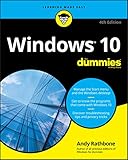
Windows 10 For Dummies (For Dummies (Computer/Tech)) | $13.31 | Buy on Amazon |
| 2 |
|
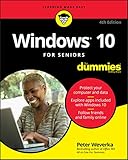
Windows 10 For Seniors For Dummies (For Dummies (Computer/Tech)) | $13.65 | Buy on Amazon |
| 3 |

|
Windows 10 for Dummies | $10.42 | Buy on Amazon |
| 4 |

|
Windows 10 All-in-One For Dummies,, 4th Edition | $30.32 | Buy on Amazon |
| 5 |

|
Windows 11 For Dummies, 2nd Edition | $11.40 | Buy on Amazon |
Check the problem before repairing Windows
Identify what is actually failing. File Explorer problems usually fall into one of these categories:
| Symptom | Likely first step |
|---|---|
| Nothing happens when you open File Explorer | Restart Windows Explorer from Task Manager |
| The desktop, taskbar, or Start menu is frozen | Restart Windows Explorer |
| Files will not copy, move, rename, or delete | Check permissions, the network connection, and run the File and Folder Troubleshooter |
| File Explorer opens slowly or hangs | Install pending updates, restart the PC, and clear unnecessary files |
| Folders or files are missing | Check Quick access, hidden items, Libraries, and the correct drive or location |
| Windows shows a blank screen with a cursor | Restart Windows Explorer through Task Manager |
1. Install Windows updates and restart
Pending updates can affect Windows Explorer and other parts of the desktop.
#1 Best Overall
- Select Start > Settings > Update & Security > Windows Update.
- Select Check for updates.
- Install any available updates and restart the computer if prompted.
- Restart the computer even if Windows does not explicitly request it. Some updates finish only after a restart.
Windows 10 support ended on October 14, 2025. The operating system still runs, but Microsoft no longer provides normal Windows Update software updates, technical assistance, or security fixes for it after that date. If the PC is still running Windows 10, moving to a supported Windows version is worth considering after you recover access to your files.
2. Restart Windows Explorer from Task Manager
This is the quickest fix when File Explorer, the taskbar, or the desktop has stopped responding. Restarting the process does not delete files.
- Press Ctrl + Shift + Esc to open Task Manager.
- Find Windows Explorer in the list of processes.
- Right-click Windows Explorer and select Restart.
- Wait for the taskbar and desktop to reload, then try File Explorer again.
If Windows Explorer is not listed, select File > Run new task, type explorer.exe, and press Enter.
Quick wins for a faster PC:
Clear out junk files and repair common Windows errorsFree Scan →Fix the driver behind crashes, sound loss and screen glitchesFind Drivers →Repair Windows errors before they cause bigger problemsFix Now →3. Repair damaged Windows system files
Corrupted system files can prevent Explorer from starting or cause repeated crashes. Run DISM first, then System File Checker.
- Type command prompt in the taskbar search box.
- Right-click Command Prompt and select Run as administrator.
- Select Yes when the permission prompt appears.
- Enter this command and press Enter:
DISM.exe /Online /Cleanup-image /RestorehealthWait for the message The operation completed successfully. Then run:
sfc /scannowLeave the window open until it reports Verification 100% complete. Type exit and press Enter, then restart Windows and test File Explorer.
Do not remove the spaces in either command. There is a space before each DISM option and between sfc and /scannow.
The Tool Desk
Outbyte Driver Updater FREEScan for outdated or missing drivers - takes under a minuteDriver Scan →Outbyte PC Repair FREEClear out junk files and repair common Windows errorsFree Scan →4. Run the System Maintenance troubleshooter
Windows 10 includes a legacy System Maintenance troubleshooter that can check some routine system and file-management problems.
- Search for control panel and open Control Panel.
- Set View by to Large icons or Small icons.
- Select Troubleshooting > View all > System Maintenance.
- Select Next.
- Choose Try troubleshooting as an administrator, if offered, and review the results.
5. Use the File and Folder Troubleshooter for file-operation errors
Microsoft’s Windows 10 File and Folder Troubleshooter is aimed at specific problems rather than general Explorer crashes. It can help when you:
- Cannot empty the Recycle Bin or delete an item inside it.
- See “The file or folder does not exist” while renaming or moving an item.
- Receive network or file-permission errors when copying, moving, renaming, or deleting files on a network share.
- Lose folder-view settings or customizations.
- Cannot select multiple items with Shift or Ctrl.
- See icons changing unexpectedly in Windows Explorer, the desktop, or Quick Launch.
Download it from Microsoft’s File and Folder Troubleshooter page, select Download, and choose Run or Open in the File Download dialog. It may be available only in English, although its automatic fixes can work with other Windows display languages. If you download it on another computer, copy it to a USB flash drive and run it on the affected PC.
6. Check network and permission errors
If local folders work but a shared folder does not, the problem may not be File Explorer itself. Check that the computer is connected to the network and that the shared folder’s host is online. You may also need permission to modify the files.
For an item displayed in Quick access, right-click it and select Open before trying to cut and paste it. A Quick access entry can point to a folder that was moved, disconnected, or deleted.
Rank #3
7. Free space with Disk Cleanup
A nearly full system drive can cause slow or unreliable Windows behavior.
- Search for disk cleanup and open Disk Cleanup.
- Select a drive, usually C:, and select OK.
- Select the categories of files you want to remove.
- Check the Recycle Bin contents before confirming. Emptying it permanently deletes those files.
- Select OK and confirm the deletion.
8. Correct virtual-memory settings
If Explorer repeatedly fails during startup, check that Windows is managing the paging file normally.
- Open Control Panel.
- Select System and Security > System > Advanced system settings.
- On the Advanced tab, select Settings under Performance.
- Select the Advanced tab.
- Confirm that Adjust for best performance of is set to Programs.
- Under Virtual memory, select Change.
- Select Automatically manage paging file sizes for all drives.
- Select OK, select Apply, and restart the PC.
9. Run Startup Repair
Use Startup Repair when Windows itself has trouble starting correctly, rather than for an isolated folder-view problem.
What’s actually slowing this PC down?
Pick the symptom - the matching free tool is one click away.
- Select Start > Settings > Update & Security > Recovery.
- Under Advanced startup, select Restart now.
- On the Choose an option screen, select Troubleshoot > Advanced options > Startup Repair.
- Choose your account and enter its password when requested.
10. Reset Windows only as a last resort
Resetting the PC is not a File Explorer-only repair. It reinstalls or refreshes Windows and can remove applications, settings, and—in some reset choices—personal files. Back up important documents first and review Microsoft’s Windows recovery options before proceeding.
Useful File Explorer settings in Windows 10
Show file extensions
- Open File Explorer and select the View tab.
- Select Options.
- In Folder Options, select the View tab.
- Adjust the setting that hides extensions for known file types, then select Apply.
Showing extensions makes names such as report.pdf and report.exe visibly different and can help identify unsafe or incorrectly named files.
Show hidden files and folders
- Open File Explorer and select View > Options.
- Select the View tab in Folder Options.
- Under Advanced settings, change the hidden-file setting.
- Select Apply and OK.
Do not delete hidden Windows files unless you know what they are and why they are safe to remove.
Rank #4
Open to This PC instead of Quick access
Windows 10 opens File Explorer to Quick access by default. To show drives and standard folders first:
Do these 3 things before closing this tab:
1Clear out junk files and repair common Windows errors2Fix the driver behind crashes, sound loss and screen glitches3Repair Windows errors before they cause bigger problems- Open File Explorer and select View > Options.
- In the Open File Explorer to: list, select This PC.
- Select Apply.
Manage Quick access
- Pin a folder: right-click it and select Pin to Quick access.
- Remove a pinned folder: right-click it and select Unpin from Quick access.
- Remove an unwanted recent item: right-click it and select Remove from Quick access.
- Show only pinned folders: open View > Options, clear the privacy check boxes for recent files and frequent folders, and select Apply.
Recently removed entries can return if recent-file or frequent-folder tracking is enabled again.
Display Libraries
Libraries are hidden from the Windows 10 navigation pane by default. To display them, select View > Navigation pane > Show libraries.
Independent reader supportYour contribution helps us test, update, and keep practical guides available for everyone.Use the Get Help app
Microsoft’s current support route is the Get Help app:
- Open Get Help from the Start menu or search.
- Enter a troubleshooter name in the search bar.
- Follow the steps shown by the app.
The current troubleshooter list includes tools for Audio, BITS, Bluetooth, Camera, Network and internet, Printer, Program compatibility, Video playback, Windows Media Player, and Windows Update. It does not list a dedicated File Explorer troubleshooter, so search for the symptom—such as Windows Update, network, or program compatibility—rather than expecting a File Explorer-specific tool.
Recommended Free Tools
Windows 10 still includes some legacy inbox troubleshooters, and claims that MSDT was already removed from every Windows 10 installation are inaccurate. However, Microsoft is moving supported troubleshooting toward Get Help, so older MSDT instructions may not apply consistently across Windows versions.
Best Value
FAQ
How do I open File Explorer in Windows 10?
Select the File Explorer icon on the taskbar, press Windows logo key + E, or select Start > Documents.
What should I do if File Explorer will not open?
Install available Windows updates, restart the PC, and restart Windows Explorer from Task Manager. Press Ctrl + Shift + Esc, right-click Windows Explorer, and select Restart. If it is not listed, use File > Run new task, enter explorer.exe, and press Enter.
How do I repair File Explorer using Command Prompt?
Open Command Prompt as administrator and run DISM.exe /Online /Cleanup-image /Restorehealth. After it completes successfully, run sfc /scannow. Wait for both scans to finish, then restart Windows.
Outdated Drivers Are Slowing You Down
One free scan finds every outdated or missing driver and matches the right update for your exact hardware.Free scan · exact hardware matchWindows Errors? Fix Them Before They Spread
Repair common Windows errors and clear accumulated junk for a smoother, more stable PC - no reinstall needed.Free scan · no reinstallDoes Windows 10 have File Explorer Home?
No. File Explorer Home is associated with Windows 11. Windows 10 uses Quick access, which you can replace with This PC through View > Options.
Can I reset only File Explorer?
Not through Windows’ Reset this PC feature. Resetting the PC is a broader recovery operation that can remove applications, settings, and potentially personal files. Use it only after backing up your data and reviewing the recovery choices.
Is Windows 10 still supported?
Microsoft support for Windows 10 ended on October 14, 2025. The PC continues to work, but normal Windows Update software updates, technical assistance, and security fixes are no longer provided after that date.
The Bottom Line
Start with the low-risk fixes: install updates, restart Windows Explorer, and run DISM followed by sfc /scannow. Use the File and Folder Troubleshooter for copy, rename, delete, Recycle Bin, network-share, and folder-view problems. Reserve Startup Repair and Reset this PC for wider Windows startup or system failures, and back up important files before using either recovery option.
Quick Recap
Product prices and availability are accurate as of the date/time indicated and are subject to change. Any price and availability information displayed on Amazon at the time of purchase will apply.

