
iTechGuides is reader-supported. When you buy through links on our site, we may earn an affiliate commission. As an Amazon Associate I earn from qualifying purchases. Learn more
You can get the amino acids your body needs on a vegetarian diet by eating enough overall and including a variety of protein foods over the course of the day. Options include beans, lentils, peas, soy foods, nuts, seeds and whole grains; eggs and dairy are also choices for vegetarians who eat them. You do not need to pair particular foods at every meal.
What “complete protein” means
Protein is made from amino acids, which the body uses to build and repair cells. People sometimes call a food a “complete protein” when it supplies all the essential amino acids. But planning a vegetarian diet does not require finding one special food—or combining particular foods at every meal—to make protein complete. NHS guidance recommends eating a variety of protein sources to get the right mixture of amino acids. NHS: The vegetarian diet
The practical focus is variety across your diet, along with enough food to meet your energy needs. The Academy of Nutrition and Dietetics says plant foods can provide adequate protein when someone eats a variety of foods and enough calories. Academy of Nutrition and Dietetics: Vegetarian diets
Choose protein foods that fit your version of vegetarian eating
Vegetarian diets differ. Lacto-ovo vegetarians include dairy, eggs or both; vegans rely on plant foods. Choose from the options that match your diet and preferences. USDA MyPlate includes beans, peas, lentils, nuts, seeds and soy products among vegetarian protein options. USDA MyPlate: Protein foods
#1 Best Overall
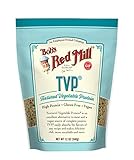
- Textured Vegetable Protein is a highly nutritious soy product that is rich in complete protein and contains no fat, so it is an excellent alternative to meat
- TVP is naturally gluten free and is handled and packaged in a dedicated gluten free facility
- TVP is low in fat and calories, contains a wealth of complete soy protein and is a good source of dietary fiber
- It is also a good source of iron and potassium
- BOB'S RED MILL: Make folks a little happier: it’s the idea that keeps our stone mills grinding to fill every bag with wholesome goodness
Beans, peas and lentils
Use beans, peas and lentils in soups, stews, salads, curries, tacos or grain bowls. They are flexible staples: cook dried versions in batches or use canned options when convenience matters.
Soy foods
Tofu and tempeh can be baked, pan-fried, grilled or added to soups and stir-fries. Textured vegetable protein (TVP) is another non-dairy option; NHS lists it among vegetarian protein foods. Treat it as a convenient ingredient, not a requirement.
Nuts and seeds
Add nuts or seeds to porridge, salads, snacks and cooked dishes. Nut and seed butters can also be spread on toast or stirred into sauces. If you have an allergy, choose safe alternatives rather than assuming every plant protein is suitable.
Outdated Drivers Are Slowing You Down
One free scan finds every outdated or missing driver and matches the right update for your exact hardware.Free scan · exact hardware matchPC Slower Than It Used to Be?
A free scan shows the junk files, broken settings and background clutter dragging Windows down - then fixes them in one click.Free scan · Windows 10 & 11Whole grains
Whole grains can contribute protein as part of meals built around legumes, soy, nuts or seeds. Think of them as one part of a varied pattern rather than relying on a single grain to supply all your protein.
Rank #2

- Textured Vegetable Protein is a rich, nutritious soy product and a great alternative to meat
- Perfect to create vegetarian and vegan versions of burgers, tacos, burritos, chili, spaghetti, and more.
- Textured Vegetable Protein is high in fiber and protein. It absorbs flavors in recipes and various sauces.
Eggs and dairy, if you eat them
Eggs, milk, yogurt and cheese can add protein to a lacto-ovo vegetarian diet. Vegans will instead need to draw their protein from plant foods.
How to build a varied day of meals
There is no required meal-by-meal pairing. Rather than trying to combine specific foods to create “complete protein” at each sitting, include different protein sources in your meals and snacks over the day.
- Start with a familiar base. Make breakfast with oats and seeds, or choose eggs or yogurt if they fit your diet.
- Add a substantial protein food to lunch. Try lentils in soup, beans in a salad or wrap, or tofu in a grain bowl.
- Make dinner another opportunity for variety. Use chickpeas, peas, beans, tempeh or TVP in a dish served with grains and vegetables.
- Use snacks to round out the day if helpful. Nuts, seeds, yogurt or another suitable food can add variety, depending on your diet and appetite.
- Check the overall pattern. Ask whether you are eating enough food and drawing on more than one protein source—not whether every plate contains a prescribed combination.
These are flexible examples, not a prescribed menu or a guarantee of an individualized nutrient target. Adapt them to your appetite, schedule, budget and food preferences.
How much protein do you need?
There is no single gram target that can be responsibly applied to every reader here. Needs vary with individual circumstances, and the guidance cited for this article does not establish personalized targets for children, pregnancy, disease, kidney conditions, older adults or high-level sports training. If you need a target for one of those situations, ask a qualified clinician or registered dietitian for advice tailored to you instead of applying a general figure.
Rank #3

- Hoosier Hill Farm Textured Vegetable Protein is a nutrient-rich soy protein product that’s a great alternative to meat in a variety of recipes. This meat alternative made from soybean flour is a great source of plant-based protein and fiber while being low in fat.
- Textured Vegetable Protein easily absorbs the flavors of marinades and sauces, so it’s a versatile ingredient that makes a great substitute for ground beef or ground turkey. You can also add it directly to your meatloaf, burgers, stews, and soups for extra protein
- Unlike many meat alternatives available in grocery stores, Textured Vegetable Protein is shelf-stable and requires no refrigeration or freezing. Add this versatile, plant-based protein to your pantry shelf!
- How to Prepare Textured Vegetable Protein: To rehydrate textured vegetable protein, add 1 cup of dry Textured Vegetable Protein to a medium bowl and cover with 1 cup of hot water or vegetable stock. Let stand for 5-10 minutes, until the crumbles are tender, and drain any remaining liquid using a slotted spoon or a sieve. This method works great when making tacos, sloppy joes, and stir-fries.
- Textured Vegetable Protein can also be added directly to soup, chili, stew, or bolognese sauces without rehydrating. You may need to add more broth or water to these recipes, as Textured Vegetable Protein will absorb liquid as it cooks.
Vegetarian diets and athletic training
The Academy of Nutrition and Dietetics reports that well-planned vegetarian diets can provide adequate protein for athletes when they meet energy needs and include varied plant protein foods; special foods or supplements are not inherently required. Academy of Nutrition and Dietetics: Vegetarian diet for athletes This general statement is not an individualized plan for high-level training or a substitute for advice about a specific sport, training load or health condition.
Common planning mistakes
- Relying on one food category. Build variety from several options, such as legumes, soy foods, nuts, seeds and grains, with eggs or dairy if you eat them.
- Focusing on pairings at every meal. The guidance cited emphasizes variety and adequate food, not a mandatory combination on each plate.
- Eating too little overall. A varied selection of protein foods still has to fit into an overall diet that provides enough energy.
- Assuming every vegetarian eats the same way. Check whether eggs and dairy fit your diet before using them in a meal plan.
- Applying a generic target to a special circumstance. Seek individualized guidance when age, pregnancy, a medical condition or demanding training changes the question.
A simple way to decide what to eat
Choose the most practical options you enjoy and can obtain, then rotate them. For example, a vegan might use lentils, tofu, nuts and seeds across different meals; a lacto-ovo vegetarian could include those foods alongside eggs or yogurt. Consider preparation time, cost, availability and other nutrients when choosing—there is no need to follow a special “complete protein” pairing system.
For broad food-group guidance, see USDA MyPlate’s protein foods guidance and the NHS overview of vegetarian eating.
The Tool Desk
Outbyte Driver Updater FREEFix the driver behind crashes, sound loss and screen glitchesFind Drivers →Outbyte PC Repair FREEClear out junk files and repair common Windows errorsFree Scan →Quick Recap
Product prices and availability are accurate as of the date/time indicated and are subject to change. Any price and availability information displayed on Amazon at the time of purchase will apply.

