
Do these 3 things before closing this tab:
1Fix the driver behind crashes, sound loss and screen glitches2Repair Windows errors before they cause bigger problems3Scan for outdated or missing drivers - takes under a minuteiTechGuides is reader-supported. When you buy through links on our site, we may earn an affiliate commission. As an Amazon Associate I earn from qualifying purchases. Learn more
The best everyday extra-virgin olive oil is not the most expensive bottle or the one with the darkest glass. Choose a bottle that is actually labeled extra virgin, has a recent harvest date when available, identifies where the oil was produced, suits your preferred flavor, and is small enough to finish within a few months of opening. Store it away from heat and light. Extra-virgin olive oil is suitable for sautéing, roasting and most routine cooking; its smoke point varies by oil, quality and freshness rather than having one universal temperature.
What “extra virgin” means on the label
Extra virgin is a defined grade, not a marketing synonym for “premium,” “natural” or “cold pressed.” In the United States, the USDA grade standard requires excellent flavor and odor, no median sensory defects, positive median fruitiness and free fatty acidity of no more than 0.8 grams per 100 grams, along with additional chemical and category requirements. The International Olive Council also uses a 0.8-grams-per-100-grams acidity ceiling and additional requirements in its standards.
That acidity number is only one part of the definition. A bottle cannot prove that it meets the complete extra-virgin category merely by printing a low acidity figure. Sensory quality, processing and other chemical tests matter too. If a label promotes acidity without clearly identifying the grade, treat the claim as incomplete rather than as a guarantee.
Why the grade matters for cooking
The grade gives you a defined baseline for flavor and defects. Extra-virgin oil should not have rancidity or other off-flavors caused by poor-quality fruit, processing or storage. Dan Flynn, executive director of the UC Davis Olive Center, puts it plainly: “Standards require that extra virgin olive oil have no rancidity or other off-flavors resulting from poor-quality fruit, processing or storage.”
#1 Best Overall

- SMOOTH EXTRA VIRGIN OLIVE OIL BULK SIZE: Expertly crafted by The Olive Oil People using first cold pressed olives, Smooth EVOO with naturally occurring polyphenols
- SMOOTH, DELICATE TASTE: Ideal for any meal that starts with a sauté and ends with a drizzle; With its smooth, delicate taste, Pompeian Smooth EVOO is perfect for sauteing, stir-frying, salads, roasting vegetables, baking, and everyday cooking
- 100% FARMER CRAFTED QUALITY: Crafted by Pompeian's family of olive farmers and olive oil craftsmen; Quality from The Olive Oil People since 1906
- IMPORTED AND AUTHENTIC: Imported extra virgin olive oil cold pressed; Certified for Authenticity by the North American Olive Oil Association
- COMMITTED TO QUALITY: Pompeian Smooth Extra Virgin Olive Oil is naturally gluten free and non-allergenic; Kosher and Non-GMO Project Verified
“Olive oil” without the words “extra virgin” can describe a different grade, often made from refined oil blended with virgin oil. It may still be useful for a particular recipe, but it is not the same category and should not be judged by the extra-virgin standard.
A label-reading method that works in the store
Use this sequence when comparing bottles. It keeps the most important checks ahead of attractive packaging and vague claims.
- Find the grade. Confirm that the front or back label says extra virgin olive oil. Do not substitute “pure,” “light,” “natural” or a low-acidity claim for the grade.
- Look for a harvest date. Prefer a dated harvest over a best-by date because it tells you when the olives were picked. Compare dates in the context of the producing region’s harvest season; a recent-looking date from one hemisphere may not line up with the season in another.
- Check the producer and production origin. Read whether the oil was produced, milled or bottled in a named place. “Packed in” or “bottled in” identifies the packaging location, not necessarily where the olives were grown or the oil made.
- Identify any seal. Note the organization behind a quality or origin seal and what that program tests. A seal may verify a chemical panel, sensory evaluation, geographic designation or production practice; seals are not interchangeable.
- Choose a flavor style. Fresh oil can taste fruity, bitter or pungent. Those are recognized positive attributes, not automatic defects. Pick the intensity you enjoy and the foods you plan to dress or cook.
- Match the bottle size to your use. A large container is economical only if you can finish it promptly after opening. A smaller bottle often protects quality better for occasional cooks.
- Inspect the container and shelf position. Prefer packaging that limits light and air, and choose a bottle stored away from a sunny window or hot shelf. Package protection helps preserve quality but does not prove the oil was good when bottled.
Freshness: harvest date, best-by date and opening time
Olive oil is perishable. Its flavor gradually declines with oxygen, heat, light and age, so freshness should be a central buying criterion.
Free tools Windows power users keep installed
One-click scans. No signup required.
Use the harvest date when it is printed
Choose the most recent harvest available, allowing for the normal harvest calendar in the producing region. UC Davis recommends using oil within 15 to 18 months of harvest for best quality. That is a quality guideline, not a guarantee that every oil becomes unusable on a particular day. Storage conditions and the oil’s initial condition affect how quickly it changes.
A best-by date can help you rotate stock, but it is less direct evidence of harvest freshness because the date may be calculated from bottling or a seller’s shelf-life policy. If two otherwise comparable bottles are available and only one shows a clear, recent harvest date, the dated bottle is easier to evaluate.
What an absent harvest date tells you
Many legitimate oils do not print a harvest date. Its absence is not conclusive proof of poor quality, but it makes direct freshness comparison harder. In that situation, rely more heavily on the producer’s transparency, origin information, seal requirements, package protection and the retailer’s stock rotation.
Rank #2

- 【 The Highest Quality Cold-Pressed Moroccan Olive Oil】 The Atlas Mountains of Morocco help grow the most perfect olives in the world, thanks to the rare climate and the geographical advantage of the high-reaching area. We, at Atlas Olive Oils, pride ourselves on producing the highest quality cold-pressed Moroccan olive oil, which is sustainably sourced and ethically produced.
- 【 Maximum Health Benefits with Only Single Pressing of the Olives】 The Atlas Mountains of Morocco help grow the most perfect olives in the world, thanks to the rare climate and the geographical advantage of the high-reaching area. We, at Atlas Olive Oils, pride ourselves on producing the highest quality Cold Pressed Moroccan olive oil, which is sustainably sourced and ethically produced.
- 【 You will love the delicately complex aroma 】 that takes in almonds, culinary herbs and a mix of sweet bananas, lemons and basil. The taste and delicacy will please your palate too.
- 【 Our 100% organic Extra Virgin Moroccan Olive Oil 】 is free from added chemicals and destructive ingredients which makes the Olive Oil 100% SAFE . You can use this gently complex olive oil for general cooking as well as for baking and desserts.
- 【 So Many Award-Winning Restaurants Use it 】 our extra virgin olive oils to create dishes intended for an exclusive, refined and demanding public Exclusive restaurants and luxury hotels, but also high representative institutions and prestigious gourmet stores have chosen our olive oils. A perfect combination of organoleptic characteristics, chemical-physical qualities and sustainability that has been able to conquer many of the most rigorous and famous professionals of catering in the world.
Plan for the time after opening
Oxygen enters each time the cap is removed. Buy an amount you can use within weeks or a few months after opening rather than storing a large bottle for a year. If you cook only occasionally, a small container may deliver better flavor even when its price per ounce is higher.
The Tool Desk
Outbyte PC Repair FREERepair Windows errors before they cause bigger problemsFix Now →Outbyte Driver Updater FREEScan for outdated or missing drivers - takes under a minuteDriver Scan →Origin and seals: useful evidence, not magic guarantees
A named origin can tell you where olives were grown and where oil was produced, while a packaging statement may reveal only where the finished bottle was filled. When comparing products, production location is the more informative question.
How to read origin wording
- Single-region or single-country wording: gives a clearer geographic identity than a broad “imported” statement.
- Blend of oils from several countries: can still be extra virgin, but the flavor and harvest timing may vary from batch to batch.
- Produced and bottled in: indicates both operations occurred in the named place, subject to the label’s exact wording.
- Bottled or packed in: identifies the packaging site and does not, by itself, identify where the olives were grown.
What a seal can and cannot establish
Read the seal’s organization and published scope before treating it as evidence. Some programs require chemical and sensory testing; others certify a protected geographic designation, production method or membership standard. A seal does not automatically verify every quality attribute, and the absence of a seal does not automatically disqualify an oil. Current program rules can change, so use the organization’s own explanation rather than assuming two marks mean the same thing.
Choose flavor deliberately
Freshness and grade tell you whether an oil is sound; taste tells you whether you will enjoy using it. UC Davis identifies fruitiness, bitterness and pungency as positive sensory attributes.
Fruitiness
Fruitiness can suggest fresh olive, green herb, artichoke or ripe-fruit notes. It may be subtle in a mild oil or pronounced in a robust one. Mild oils suit delicate fish, mayonnaise and baking; fruitier oils can stand up to beans, grilled vegetables and tomato dishes.
Quick wins for a faster PC:
Clear out junk files and repair common Windows errorsFree Scan →Fix the driver behind crashes, sound loss and screen glitchesFind Drivers →Bitterness
Bitterness is often more noticeable in oil made from greener olives. A bitter finish is not automatically a defect, although an unpleasant, harsh or chemical sensation is a reason to try another bottle.
Rank #3

- SMOOTH EXTRA VIRGIN OLIVE OIL BULK SIZE: Expertly crafted by The Olive Oil People using first cold pressed olives, Smooth EVOO with naturally occurring polyphenols
- SMOOTH, DELICATE TASTE: Ideal for any meal that starts with a sauté and ends with a drizzle; With its smooth, delicate taste, Pompeian Smooth EVOO is perfect for sauteing, stir-frying, salads, roasting vegetables, baking, and everyday cooking
- 100% FARMER CRAFTED QUALITY: Crafted by Pompeian's family of olive farmers and olive oil craftsmen; Quality from The Olive Oil People since 1906
- IMPORTED AND AUTHENTIC: Imported extra virgin olive oil cold pressed; Certified for Authenticity by the North American Olive Oil Association
- COMMITTED TO QUALITY: Pompeian Smooth Extra Virgin Olive Oil is naturally gluten free and non-allergenic; Kosher and Non-GMO Project Verified
Pungency
Pungency is the peppery or throat-catching sensation that can appear after swallowing. It varies with olive variety, maturity and processing. If you prefer a gentle oil, choose a mild style; if you like a peppery finish, look for a more robust profile.
Smell and taste when possible
Specialty shops and tasting events may offer samples. Fresh oil should smell clean and olive-like. Avoid samples with rancid, stale, musty, vinegary or otherwise off odors. A supermarket bottle that cannot be tasted can still be evaluated by its date, origin, seal information and package, then judged at home before the receipt is discarded.
Can you cook with extra-virgin olive oil?
Yes. Extra-virgin olive oil is appropriate for everyday sautéing, roasting, pan cooking and finishing. The UC Davis Olive Oil Myths and Facts guide reports smoke points from 347°F (175°C) to 464°F (240°C), depending on the oil’s grade, quality and freshness. That is a range across oils, not a guaranteed specification for every bottle.
Recommended Free Tools
Use heat in a practical way
- Warm the pan and oil together over the heat level your recipe calls for.
- When the oil shimmers and becomes fragrant, add the food. Do not deliberately heat it until it smokes.
- If the oil starts smoking, lower the heat, move the pan briefly off the burner and replace badly overheated oil if necessary.
- For a recipe requiring sustained, very high heat beyond the oil’s practical use, choose a different oil or cooking method rather than relying on one advertised smoke-point number.
Smoke point alone does not measure healthfulness, flavor or overall cooking performance. A fresh, flavorful oil may be excellent for medium-heat cooking and finishing even if another oil has a higher measured smoke point.
Cooking uses by heat and flavor
| Use | How extra-virgin oil fits | Selection tip |
|---|---|---|
| Sautéing and pan cooking | Suitable for routine medium-heat cooking; keep the oil below visible smoking. | Choose a flavor you enjoy because some oil remains in the finished dish. |
| Roasting vegetables or meat | Suitable when the oven temperature and pan conditions do not cause prolonged smoking. | A medium or robust oil works well with strongly flavored foods. |
| Dressings and finishing | No heating preserves the oil’s aroma and peppery character. | Use your freshest, most expressive bottle here. |
| Very high-heat, prolonged cooking | Smoke behavior varies by bottle; an alternative oil or method may be more practical. | Follow the recipe’s heat requirement instead of assuming one universal EVOO limit. |
Packaging, bottle size and storage
Light, heat and air accelerate quality loss. The UC Davis storage guidance indicates that dark glass, tins or stainless-steel containers and bag-in-box formats protect oil from light or air better than clear plastic. Packaging is a preservation factor, not proof of the oil’s original quality.
Choose a container you can finish
- Frequent cookers: can reasonably choose a larger container if it will be emptied within a few months.
- Occasional cooks: should favor a smaller bottle to limit the time the oil spends open.
- Bulk formats: make sense only when you can keep the unopened portion protected and transfer or dispense it without repeated air exposure.
Store it correctly
- Keep the cap or pourer closed between uses.
- Store the bottle in a cool, dark cupboard away from the stove, oven, radiator and direct sunlight.
- Do not leave it beside a hot appliance or in a window.
- Use the oil within weeks or a few months after opening, depending on how quickly you cook through it.
Refrigeration is not required for ordinary storage and can make oil cloudy or solid; that appearance change does not by itself indicate spoilage. A cool, dark cupboard with a tightly closed container is the practical default.
Rank #4

- One 32 fl oz bottle of Bertolli Non-GMO Extra Virgin Olive Oil, Rich Taste
- Mediterranean Heritage: Bertolli's legacy in olive oil spans over 160 years, crafting authentic EVOO (Extra Virgin Olive Oil) and other olive oil varieties.
- Rich Taste: Cold pressed for full-bodied fruity flavor, this olive oil is free from processing, delivering a bold yet delicate taste.
- 365°F Smoke Point: This olive oil is perfect for salad dressing, vinaigrette, bread dipping, marinades, pasta dishes and more
- Dark Bottle: Each olive oil bottle is carefully sealed to preserve freshness, ensuring that every pour delivers the unmistakable taste of Bertolli's premium olive oils.Store tightly capped in a cool and dry place away from heat sources and light.
How to compare two or more bottles
When several bottles meet the basic grade requirement, compare them on the axes below rather than on price or label color alone.
| Comparison axis | What to examine | Why it matters |
|---|---|---|
| Grade and verification | Extra-virgin wording; any seal and the organization’s stated tests | The grade has defined chemical and sensory criteria, while seals differ in scope. |
| Freshness | Harvest date and the harvest region’s season | A recent harvest is a useful freshness cue; UC Davis recommends best quality within 15–18 months of harvest. |
| Origin transparency | Where olives were grown and oil produced versus where it was bottled | Production information is more informative than packaging location alone. |
| Sensory profile | Fruitiness, bitterness, pungency and absence of off-flavors | Flavor preference varies, and sound sensory condition is central to the grade. |
| Package and size | Protection from light and air; quantity you can use promptly | Good storage and quick turnover preserve freshness after purchase. |
| Cooking fit | Sautéing, roasting, dressing or finishing; expected heat | Extra virgin works for cooking, but smoke behavior varies with quality and freshness. |
Claims that should not decide the purchase by themselves
“Cold pressed”
Cold-pressed wording describes a processing claim, not a complete quality guarantee. It does not replace the extra-virgin grade, a recent harvest date, sensory evaluation or clear origin information.
Low acidity
Acidity can be relevant to grading, but a low number alone does not establish that an oil satisfies all extra-virgin chemical and sensory requirements.
Dark glass or a green bottle
Opaque or dark packaging can reduce light exposure after bottling. It cannot tell you whether the oil was fresh, correctly graded or well stored before you bought it.
Price
Price reflects factors such as harvest, origin, packaging and distribution. A high price is not a test result, and a low price is not conclusive evidence of poor quality. Use the label information and your sensory experience together.
What the historical testing statistic does—and does not—say
A frequently cited UC Davis Olive Center report found that 69 percent of imported “extra virgin” olive oil samples purchased in supermarkets in three California metropolitan areas failed chemistry and/or sensory standards in 2010. The result is historical and geographically limited. It is not a current failure rate for every bottle, retailer or the entire United States market, and no current market-wide estimate is established here. The practical lesson is to read grade, freshness, origin and verification information carefully rather than assuming that every label is equally reliable.
Best Value
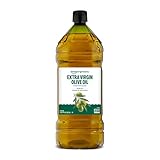
- One 51 fluid ounce bottle of Extra Virgin Olive Oil, cold extracted
- Some of your favorite Amazon Fresh products are now part of the Amazon Grocery brand! Although packaging may vary during the transition, the ingredients and product remain the same. Thank you for your continued trust in our brand
- Great for salads and marinades
- Non-GMO project verfied
- Amazon Grocery has all the favorites you love for less. You’ll find everything you need for great-tasting meals in one shopping trip
The original report is available as a 2010 olive oil testing report.
Buying scenarios
You cook most nights
Select a medium-size bottle with a recent harvest date and a flavor that works across vegetables, grains and proteins. Keep it in a dark cupboard and replace it before it sits open for many months.
You mainly make salads and finish dishes
Prioritize aroma and flavor over maximum volume. A smaller bottle of fresh, fruitier or pepperier oil may be more useful than a large mild bottle, because uncooked applications reveal sensory differences.
What’s actually slowing this PC down?
Pick the symptom - the matching free tool is one click away.
You cook only once or twice a month
Buy the smallest practical container in light-protective packaging. Your goal is to finish it while it still tastes fresh, not to minimize the shelf price per ounce.
You need a neutral flavor
Choose a mild extra-virgin style and use it for sautéing or baking where you do not want a strong peppery finish. Mild does not mean lower grade; it describes sensory intensity.
You are buying a bottle with no harvest date
Check the producer, production origin, seal scope, package and retailer turnover. If the oil smells rancid or stale after opening, stop using it for uncooked applications and contact the seller about its storage or return policy.
How to recognize a stale or defective bottle at home
Freshness problems are sensory. Rancid oil may smell like old nuts, crayons, paint or stale leftovers; other defects can smell musty, vinegary or fermented. Do not confuse bitterness or peppery pungency with rancidity: those can be positive traits in fresh oil.
- Smell a small amount in a clean glass or spoon before pouring it over food.
- Taste it plain with bread or a neutral food so strong ingredients do not mask defects.
- If the oil is clearly rancid or otherwise off, do not try to rescue it by mixing it with a fresher bottle.
- Record the harvest or lot information and ask the retailer or producer about a replacement if the bottle was recently purchased.
A printable five-minute checklist
- Does the label explicitly say extra virgin?
- Is a harvest date printed, and is it recent for that region’s season?
- Does the label distinguish where the oil was produced from where it was bottled?
- Is there a seal, and do you understand what organization and tests it represents?
- Will you enjoy the oil’s likely fruitiness, bitterness and pungency?
- Will the bottle’s size be used within weeks or a few months after opening?
- Does the package limit light and air, and can you store it in a cool, dark place?
- Are you avoiding conclusions based only on price, bottle color, “cold pressed” wording or a low acidity number?
Sources and standards
The U.S. grade definition is published by the USDA Agricultural Marketing Service. International category standards and methods are listed by the International Olive Council. Consumer guidance on freshness, sensory attributes and seals appears in UC Davis’ How to Choose the Best Olive Oil, published November 30, 2016. UC Davis’ Olive Oil Myths and Facts covers smoke-point variability, packaging and storage.
Quick Recap
Product prices and availability are accurate as of the date/time indicated and are subject to change. Any price and availability information displayed on Amazon at the time of purchase will apply.

