
Windows Errors? Fix Them Before They Spread
Repair common Windows errors and clear accumulated junk for a smoother, more stable PC - no reinstall needed.Free scan · no reinstallCrashes, No Sound, or Screen Glitches?
Random freezes, missing sound and display glitches usually trace back to one bad driver. Find and replace yours safely.Free scan · under a minuteiTechGuides is reader-supported. When you buy through links on our site, we may earn an affiliate commission. As an Amazon Associate I earn from qualifying purchases. Learn more
Do not try to “wear in” pain. A stability running shoe should feel comfortable when you first try it on. If it causes sharp pressure, rubbing, heel slip or a blister, changing the fit or model is safer than hoping repeated runs will reshape it. When the fit is already comfortable and the shoe merely feels unfamiliar, use short walks and easy outings, adjust the lacing for a specific pressure point, alternate with your previous shoes and increase use gradually.
This approach separates normal adaptation from a bad match. Mild, temporary muscle fatigue can occur when a shoe feels different, but persistent rubbing or pain beyond mild soreness is a signal to stop and reassess.
What “breaking in” should mean for a stability shoe
Breaking in should be a gradual familiarisation period, not a test of how much discomfort you can tolerate. Guidance from the American Academy of Orthopaedic Surgeons’ FootCareMD says athletic shoes should be comfortable as soon as you try them and that you should not expect them to fit better after wear. A shoe that is too short, too narrow or shaped poorly for your foot is unlikely to become suitable through use.
Free tools Windows power users keep installed
One-click scans. No signup required.
A new stability shoe can still feel different from an old pair. Its cushioning, geometry or support may alter how your foot and lower-leg muscles work. If there is no rubbing, pinching or painful pressure, a short, symptom-guided trial can let you adapt without exposing your skin or feet to a long run before you know how the shoe behaves.
#1 Best Overall

- THIS MEN’S SHOE IS FOR: The Adrenaline GTS 25 is perfect for runners and walkers seeking reliable support and a smooth ride. Featuring holistic GuideRails for Go-To Support and soft, dynamic premium nitrogen-infused DNA LOFT v3 cushioning, it delivers distraction-free comfort mile after mile. This Brooks Adrenaline GTS 25 is a certified PDAC A5500 Diabetic shoe and has been granted the APMA Seal of Acceptance. Predecessor: Adrenaline GTS 24.
- GUIDERAILS HOLISTIC SUPPORT SYSTEM: Our innovative technology - known as “GTS” for “Go-To Support” - supports your body in its natural motion path while keeping excess movement in check.
- SOFT & DYNAMIC CUSHIONING: Even more premium nitrogen-infused DNA Loft v3 cushioning delivers lightweight softness, and feel-good comfort mile after mile.
- TRUSTED FIT: The breathable engineered mesh upper and flat-knit collar offer a secure, comfortable fit, providing both structure and flexibility to accommodate natural movement during active use.
- SMOOTH TRANSITIONS: The specially designed outsole and midsole work together to promote seamless transitions, ensuring comfort and support for every step, so you can stay active longer.
Comfort is a purchase-time requirement
Try shoes on with the socks you normally run in. Check both feet, because they may not be identical in length or volume. Your toes should not be pressed against the front, and the shoe should not squeeze the widest part of your foot. The heel should feel held rather than sliding up and down.
Stability does not prevent blisters automatically
The label “stability” describes the intended support category; it is not a guarantee against blisters or soreness. Friction generally comes from movement between the foot, sock and shoe, while pain can come from pressure, an unsuitable shape or an abrupt change in how the shoe loads your body. Fit and comfort checks matter more than the category name alone.
Check the fit before your first run
Perform these checks before committing to a long outing. A shoe that fails one of them should be exchanged or reconsidered rather than forced through a break-in period.
| Check | What to do | What a good result feels like | Warning sign |
|---|---|---|---|
| Time of day | Try the shoe later in the day when possible. | There is still comfortable room after your feet have had time to swell. | The fit is comfortable only early in the day and becomes tight later. |
| Toe room | Stand, walk and flex your toes. | Toes can move without touching the front or roof of the shoe. | Any toe contact, curled toes or pressure at the front. |
| Width and volume | Walk and jog in place in your normal socks. | The forefoot and midfoot feel supported without squeezing. | Pinching, numbness, a hot spot or pressure over the top of the foot. |
| Heel hold | Walk, stop and change direction. | The heel stays seated without the shoe feeling restrictive. | Repeated heel lift or rubbing at the back of the ankle. |
| Movement | Take several minutes to move naturally. | No rubbing, sharp pressure or developing hot spot. | A specific area repeatedly rubs or hurts. |
Why trying shoes later can help
Podiatrist Stephanie Kvas of Mayo Clinic Health System explains that feet can retain fluid and swell during the day. A pair that feels acceptable in the morning may become constricting after hours on your feet or during a run. Trying shoes later gives you a better chance of noticing that change before purchase.
Test movement, not just appearance
Stand up, walk, jog in place and make a few controlled changes of direction. Look for rubbing at the heel, ankle, sides of the forefoot and between the toes. A shoe can look roomy on a shelf yet create pressure when your foot bends. The heel should remain firmly held without forcing you to overtighten the laces.
Rank #2

- Athletic mesh upper with durable leather overlays for added dimension & midfoot support
- Charged+ midsole cushioning provides unmatched softness & all-day comfort
- Durable rubber outsole provides traction & durability with strategically-placed flex grooves for proper toe-off , Upper contains at least 30% recycled content
- Weight: 10.2 oz , Lace type: Standard tie
- NEUTRAL: For runners who need a balance of flexibility & cushioning
A gradual, low-risk break-in sequence
Use the shortest exposure that answers your next question. If a session reveals rubbing or pain, stop; do not progress simply because the schedule says you should.
- Wear the shoes indoors briefly. Use your usual running socks and walk on a clean surface. Notice pressure points before committing to outdoor wear. If the shoe already pinches or rubs, return to the fit decision rather than continuing.
- Take a short walk. Choose an easy route and pay attention to the first sign of a hot spot. A hot spot is an early warning of friction; it is not something you need to run through.
- Try an easy outing. Keep the effort comfortable and shorter than a normal training run. The purpose is to observe heel hold, forefoot pressure and how your legs respond, not to test endurance.
- Inspect your feet immediately afterward. Look for redness, tenderness, damp areas or a developing blister. Check the sock for bunching or shifted seams that may have caused friction.
- Alternate with your previous pair. If the new shoe remains comfortable but feels unfamiliar, use it for selected easy sessions and use your established pair for other runs. This gives you a way to compare sensations without making every run a new-shoe experiment.
- Increase use gradually. Add exposure only when the previous outing produced no persistent rubbing or pain. A worsening symptom is not a required stage of adaptation; it is a reason to pause and reassess.
What to record after each outing
- Where you felt pressure or rubbing.
- Whether the heel lifted or stayed secure.
- Whether discomfort appeared immediately or only after movement.
- Whether any symptom settled soon after removing the shoes.
- Whether the sensation was mild muscle fatigue or pain in the foot, joint or skin.
These observations help distinguish a shoe that is simply unfamiliar from one that is creating a repeatable fit problem.
Use lacing to solve a specific fit problem
Lacing can fine-tune a shoe that is fundamentally the right length and width. It cannot make a shoe longer, widen an overly narrow forefoot or correct a shape that does not match your foot.
Runner’s loop for heel hold
A runner’s loop uses the extra eyelets near the collar to create a small loop on each side. Thread the lace through the final eyelet on the same side without crossing it, leaving a loop. Cross the lace ends through the opposite loops, pull gently to secure the heel and tie normally. The goal is to reduce heel movement, not to clamp the ankle. If tightening creates pressure, numbness or rubbing, loosen the tension and reassess the shoe.
Window or box lacing for top-of-foot pressure
Window (also called box) lacing leaves a section over a pressure point less tightly crossed. Run the laces vertically along the sides of that section, then resume the normal crossing pattern above it. This can relieve pressure over the top of the foot while keeping the rest of the shoe secure. If the pressure remains despite this adjustment, the shoe’s volume or shape may be wrong for you.
Rank #3
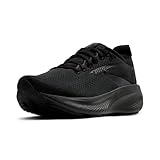
- THIS MEN’S SHOE IS FOR: The Adrenaline GTS 25 is perfect for runners and walkers seeking reliable support and a smooth ride. Featuring holistic GuideRails for Go-To Support and soft, dynamic premium nitrogen-infused DNA LOFT v3 cushioning, it delivers distraction-free comfort mile after mile. This Brooks Adrenaline GTS 25 is a certified PDAC A5500 Diabetic shoe and has been granted the APMA Seal of Acceptance. Predecessor: Adrenaline GTS 24.
- GUIDERAILS HOLISTIC SUPPORT SYSTEM: Our innovative technology - known as “GTS” for “Go-To Support” - supports your body in its natural motion path while keeping excess movement in check.
- SOFT & DYNAMIC CUSHIONING: Even more premium nitrogen-infused DNA Loft v3 cushioning delivers lightweight softness, and feel-good comfort mile after mile.
- TRUSTED FIT: The breathable engineered mesh upper and flat-knit collar offer a secure, comfortable fit, providing both structure and flexibility to accommodate natural movement during active use.
- SMOOTH TRANSITIONS: The specially designed outsole and midsole work together to promote seamless transitions, ensuring comfort and support for every step, so you can stay active longer.
Do not overtighten to compensate for a poor fit
Pulling every lace section as tightly as possible can create new pressure and restrict natural movement. Tighten from the lower eyelets upward in small, even adjustments, then walk again. A secure heel with comfortable forefoot space is the target.
The Tool Desk
Outbyte PC Repair FREEClear out junk files and repair common Windows errorsFree Scan →Outbyte Driver Updater FREEScan for outdated or missing drivers - takes under a minuteDriver Scan →Prevent blisters by controlling friction
Blisters are commonly associated with friction from a tight or poorly fitting shoe. The first intervention is to identify and remove the source of rubbing. Lacing changes, a different size or width, or a different model may be more effective than adding products over the affected area.
Check the shoe and sock together
- Use socks that fit smoothly and do not bunch inside the shoe.
- Look for seams or folds that sit over a hot spot.
- Confirm that the heel is not sliding with each step.
- Check whether swelling later in the day turns a tolerable fit into a tight one.
An older sports-foot-care publication also discusses dual-layer or blister-resistant socks as possible aids. Treat these as optional friction-management tools, not substitutes for adequate length, width and heel hold. A sock cannot reliably fix a shoe that is rubbing because it is the wrong shape.
Act at the first hot spot
Stop during the outing when you notice a persistent warm or tender area. Remove the shoe and sock, inspect the skin and correct the cause before continuing. Continuing until the skin breaks can turn a small irritation into a wound that affects later training.
Tell normal adaptation from a problem
New footwear can change the sensations in your feet and lower legs. The key question is whether the sensation is mild, settles with rest and does not worsen from one outing to the next.
Quick wins for a faster PC:
Clear out junk files and repair common Windows errorsFree Scan →Fix the driver behind crashes, sound loss and screen glitchesFind Drivers →Repair Windows errors before they cause bigger problemsFix Now →Rank #4

- Get your daily dose of running as the weather turns. The Adrenaline GTS 24 Weatherized offers enhanced wet/dry traction to help provide confidence with every step, and the DWR mesh upper provides temperature management and weather protection.
- WEATHERIZED MEN’S RUNNING SHOE: The Adrenaline GTS 24 Weatherized delivers superior wet/dry traction for confident steps on any surface, while the DWR mesh upper offers weather protection and temperature control, ensuring you stay comfortable and focused on your run—no matter the conditions.
- WEATHERPROOF & REFLECTIVE UPPER: The knit DWR mesh upper offers superior weather protection, effectively managing temperature while keeping your feet dry in various conditions. Reflective elements enhance visibility in low-light environments.
- GUIDERAILS HOLISTIC SUPPORT SYSTEM: Our innovative technology - known as “GTS” for “Go-To Support” - supports your body in its natural motion path while keeping excess movement in check.
- DYNAMIC CUSHIONING: Nitrogen-infused DNA Loft v3 midsole foam delivers soft, smooth cushioning that adapts to your unique stride for lightweight comfort mile after mile.
| Symptom | More consistent with | Action |
|---|---|---|
| Mild, general muscle fatigue after an easy outing | Adjustment to a different feel or support pattern | Rest, monitor and repeat only when the sensation has settled. |
| Localized warmth or redness at one rubbing point | Friction or movement inside the shoe | Stop, inspect, adjust lacing or change the fit before another run. |
| Heel slipping on each step | Insufficient heel hold or incompatible shape | Try a runner’s loop once; if slipping continues, reassess the model. |
| Pressure across the top of the foot | Lacing tension or insufficient shoe volume | Try window/box lacing; persistent pressure calls for a different fit. |
| Sharp, escalating or persistent pain | Potentially unsuitable shoe or another foot concern | Stop using the shoe and seek professional advice if it persists. |
| Repeated blisters in the same location | Unresolved friction or fit mismatch | Do not keep “breaking in” the shoe; reassess size, width, shape and heel hold. |
FootCareMD and Mayo Clinic Health System guidance both support reassessing the fit or shoe when discomfort is more than mild muscle soreness. Persistent foot concerns warrant assessment by a podiatrist or another qualified clinician.
How to compare stability shoes before choosing one
When deciding among stability models, compare the factors that directly affect comfort and friction rather than assuming one support label predicts your experience.
| Comparison factor | Questions to ask while trying the shoe | Why it matters during a break-in |
|---|---|---|
| Immediate comfort | Does it feel comfortable as soon as you put it on? | Comfort is expected at try-on; painful pressure is not a normal stage. |
| Length | Can your toes move without touching the front? | Insufficient length cannot be corrected by lacing. |
| Width and volume | Does the forefoot or instep feel squeezed? | Compression can create pressure and hot spots as your feet swell. |
| Heel hold | Does the heel stay in place while walking and turning? | Slip increases movement and friction. |
| Rubbing during movement | Does one area repeatedly become warm or tender? | A repeatable hot spot is evidence of a fit issue, not a break-in milestone. |
| Support suitability | Does the shoe’s support feel appropriate for your activity and needs? | The stability category alone does not guarantee comfort or blister prevention. |
Use a side-by-side trial when possible
If you have an older pair that is comfortable, alternate easy outings and note differences in heel security, pressure and post-run soreness. This is more informative than judging the new shoe after a single long run. Keep the comparison focused on your symptoms and movement; do not assume that a shoe that works for another runner will fit you.
Independent reader supportYour contribution helps us test, update, and keep practical guides available for everyone.Troubleshoot common first-run problems
“My heel slips, but the rest of the shoe feels good.”
Check that the shoe is the correct length and that your heel is seated before tying. Try a runner’s loop with moderate tension. Walk again. If the heel still lifts or the collar rubs, the shape may not match your foot, and another model may be a better choice.
Do these 3 things before closing this tab:
1Repair Windows errors before they cause bigger problems2Scan for outdated or missing drivers - takes under a minute3Clear out junk files and repair common Windows errors“The top of my foot feels compressed.”
Retie the shoe with window or box lacing over the pressure point. Make sure the lower laces are not excessively tight. If the pressure continues, the shoe may not have enough volume for your foot; changing lacing cannot create additional space.
Best Value

- THIS WOMEN’S SHOE IS FOR: The Adrenaline GTS 25 is perfect for runners and walkers seeking reliable support and a smooth ride. Featuring holistic GuideRails for Go-To Support and soft, dynamic premium nitrogen-infused DNA LOFT v3 cushioning, it delivers distraction-free comfort mile after mile. This Brooks Adrenaline GTS 25 is a certified PDAC A5500 Diabetic shoe and has been granted the APMA Seal of Acceptance. Predecessor: Adrenaline GTS 24.
- GUIDERAILS HOLISTIC SUPPORT SYSTEM: Our innovative technology - known as “GTS” for “Go-To Support” - supports your body in its natural motion path while keeping excess movement in check.
- SOFT & DYNAMIC CUSHIONING: Even more premium nitrogen-infused DNA Loft v3 cushioning delivers lightweight softness, and feel-good comfort mile after mile.
- TRUSTED FIT: The breathable engineered mesh upper and flat-knit collar offer a secure, comfortable fit, providing both structure and flexibility to accommodate natural movement during active use.
- SMOOTH TRANSITIONS: The specially designed outsole and midsole work together to promote seamless transitions, ensuring comfort and support for every step, so you can stay active longer.
“I developed a blister on a short walk.”
Stop using the shoe for running until you identify the friction source. Inspect the shoe, sock and heel hold, then test a corrected setup only during a brief walk. A recurring blister means the fit or model needs reassessment rather than a longer break-in period.
“My legs feel different, but my feet are comfortable.”
Limit the next outing to an easy effort and alternate with your previous shoes. Monitor whether the sensation remains mild and settles with rest. If it becomes painful, persists or worsens, stop and reconsider the shoe and obtain professional advice when appropriate.
“The shoe is comfortable in the store but tight on runs.”
Consider the time of day and swelling. Recheck the fit later in the day, wear your normal socks and move for several minutes. If the shoe repeatedly becomes constricting, select a different size, width or model rather than relying on wear to create room.
When to stop breaking in the shoe
Stop and reassess immediately for persistent rubbing, repeated blisters, sharp pain, numbness, pressure that does not improve with reasonable lacing changes, or discomfort that is more than mild muscle soreness. Also stop if symptoms worsen from one outing to the next or remain after rest.
A podiatrist can help evaluate persistent foot concerns and whether the shoe is appropriate for your needs. Bring the shoes, your usual running socks and a description of when symptoms appear. The aim is not to prove that you can tolerate the shoe; it is to find footwear that lets you run without preventable skin or pain problems.
Quick Recap
A practical decision checklist
- Was the shoe comfortable when first tried on?
- Did you test it later in the day, when possible?
- Is there enough room in length, width and height?
- Does the heel stay secure without excessive tightening?
- Have you walked or jogged in place without a hot spot?
- Did you try the appropriate lacing adjustment for heel or instep pressure?
- Did you begin with a brief walk or easy outing?
- Did you inspect your feet and socks afterward?
- Are you alternating with a familiar pair while the new shoe still feels different?
- Are you stopping when symptoms persist instead of treating pain as required break-in?
Product prices and availability are accurate as of the date/time indicated and are subject to change. Any price and availability information displayed on Amazon at the time of purchase will apply.

