
Quick wins for a faster PC:
Fix the driver behind crashes, sound loss and screen glitchesFind Drivers →Repair Windows errors before they cause bigger problemsFix Now →Scan for outdated or missing drivers - takes under a minuteDriver Scan →iTechGuides is reader-supported. When you buy through links on our site, we may earn an affiliate commission. As an Amazon Associate I earn from qualifying purchases. Learn more
There is no evidence-backed “best” branded slow-release fertilizer for hostas. These shade perennials usually need only light feeding, and a soil test is the best way to decide whether fertilizer is needed at all. If testing or local guidance indicates a need, choose a granular product whose label fits garden use and apply it as spring growth begins; a University of Georgia Cooperative Extension fallback, when no soil test is available, is 10-10-10 at 1/2 pound per 100 square feet.
Do hostas need fertilizer?
Often, established hostas do not need much. University of Georgia Cooperative Extension says, “Hostas respond best to light fertilization,” and recommends soil testing to determine fertilizer and lime needs. A test can help avoid adding nutrients the bed does not need.
If a soil test is unavailable, the Georgia publication gives a fallback of 1/2 pound of 10-10-10 fertilizer per 100 square feet at planting or when spring growth emerges. This is that publication’s recommendation, not a universal dose for every soil, product, or region. Follow the fertilizer label and local extension guidance.
Source: University of Georgia Cooperative Extension, Growing Hostas, Circular 955, reviewed June 2022.
#1 Best Overall
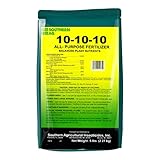
- Size: 5 LB
- Uniform, homogenous granular formulation .
- CONTAINS: 10% Nitrogen, 10% Phosphorus (P205), 10% Potassium (K20) plus minor elements .
- APPLICATION: Broadcast evenly over area and water in.
- For large quantity discount consideration or to request a mixed multi-pack, please message us.
What to look for in a slow-release fertilizer
No cited source establishes a universally best brand or reports a head-to-head hosta fertilizer trial. Rather than trusting a “best” ranking, compare the package with the garden’s needs and the product directions.
- NPK analysis: Check the nitrogen, phosphorus, and potassium numbers. A balanced 10-10-10 is a source-supported fallback when there is no soil test, not an ideal formula for every bed.
- Release type and stated duration: Check which nutrients are slow- or controlled-release and how long the label says they are intended to supply nutrients.
- Use directions: Confirm the label covers the intended garden application, and follow its rate and precautions. Do not choose a lawn fertilizer just because it says “slow release.”
- Package size: Match the amount to the bed area and label rate to avoid buying or applying more than needed.
Product formulations and current listings can change; check the package you are buying rather than relying on a product name or an old listing.
Rank #2

- 🌿 Balanced 10-10-10 Granular Fertilizer for Outdoor & Indoor Plants: All-purpose plant food with 10% Nitrogen, 10% Phosphorus, and 10% Potassium. Perfect for outdoor vegetable gardens, fruit trees, evergreens, shrubs, lawns, and flowers. Also great for potted plants and indoor gardening. One solution for all your plant needs!
- ⏳ Slow-Release Formula for Continuous Outdoor Feeding: Provides up to 8 weeks of sustained nutrition with fewer applications. Ideal for outdoor lawns, vegetable gardens, fruit trees, and flowering plants. Apply twice per season for gardens and three times per year for trees and shrubs. Less work, more growth!
- 🌼 Promotes Strong Roots, Lush Growth, and Vibrant Outdoor Blooms: Phosphorus supports root health, Nitrogen fuels lush green leaves, and Potassium enhances plant resilience. Perfect for outdoor flowers, tomatoes, peppers, roses, evergreens, and shrubs. Enjoy thriving plants, colorful blooms, and abundant harvests!
- 🌱 Easy-to-Apply Granules for Even Outdoor Coverage: Fine granules spread evenly for maximum soil absorption in outdoor gardens, lawns, and landscapes. Ideal for pines, oaks, banana trees, fig trees, and ornamentals. Just spread, water, and watch your outdoor garden flourish!
- ⚡ Quick-Release Nitrogen for Immediate Outdoor Results: Instant nitrogen boost for rapid growth, combined with slow-release feeding for lasting results. Perfect for outdoor grass lawns, evergreen trees, flowering plants, and vegetables. See your outdoor garden thrive quickly and sustainably!
Slow-release and controlled-release are not identical
The terms do not guarantee the same nutrient-release behavior. UF/IFAS Extension describes controlled-release fertilizers as products designed to govern nutrient availability, commonly through coatings or encapsulation. For slow-release fertilizers, nutrient availability may depend on conditions such as temperature, moisture, and microbial activity. The label and growing conditions therefore matter when interpreting a stated duration.
What’s actually slowing this PC down?
Pick the symptom - the matching free tool is one click away.
Source: UF/IFAS Extension, Controlled-Release and Slow-Release Fertilizers as Nutrient Management Tools.
Rank #3
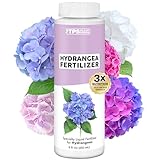
- Made for Hydrangea Plants – Formulated to support healthy growth in hydrangeas and flowering shrubs.
- Supports Vibrant Blooms & Foliage – Helps encourage colorful flowers and balanced plant development.
- Balanced Nutrition for Flowering Shrubs – Provides nutrients suited for steady growth and bloom support.
- Ideal for Garden Beds & Containers – Suitable for landscape plantings, borders, and patio pots.
- Made in USA
When to feed hostas—and when to stop
If feeding is warranted, apply fertilizer as spring growth begins, following the label and any soil-test or local recommendations. Nebraska Extension recommends slow-release fertilizer just as spring growth begins if fertilization is needed. It warns that excessive nitrogen can produce soft foliage that wilts readily and is more susceptible to foliar disease; high nitrogen can also diminish the intensity of variegation.
Missouri Extension advises not fertilizing after mid-July because late-season growth may interfere with winter hardening. Treat that cutoff as regional guidance, not a universal calendar date: local climate and extension advice affect timing.
Rank #4

- 3 MONTHS OF FEEDING: Miracle-Gro Shake 'N Feed All Purpose Plant Food feeds plants for up to 3 months, and nourishes above and below the soil
- GROW STRONGER PLANTS: This plant food contains vital micronutrients to grow stronger, vibrant, and more productive plants (vs unfed plants)
- FOR ALL PLANTS: Use this all-purpose plant food outdoor or indoor to feed container plants or plants in outdoor in-ground and raised bed gardens, including flowers, vegetables, and herbs
- APPLICATION: Apply this continuous release garden product evenly onto the soil and work into the top 1-3 inches of soil for in-ground plants, or lightly work into the soil of established container plants; water to start feeding; reapply every 3 months
- NOURISHES ABOVE & BELOW THE SOIL: Indoor and outdoor plant food contains natural ingredients to feed soil microbes that break down the ingredients into nutrients that support root strength and development which increases water efficiency
Sources: University of Nebraska–Lincoln Extension, Hostas in the Landscape (G1683, 2007); University of Missouri Extension, Hostas: Emperors of the Shade.
Free tools Windows power users keep installed
One-click scans. No signup required.
Is compost a natural fertilizer for hostas?
Mature compost is a reasonable soil-building option, but the available extension advice is general rather than a hosta-specific fertilizer comparison. It does not establish that compost outperforms a particular fertilizer. A reader asked whether there was a natural fertilizer for hostas in an Ask Extension question from Marion County, Oregon; the response discusses compost as an amendment, not as a controlled comparison of fertilizer performance.
Best Value

- CONTINUOUS RELEASE NUTRITION: Osmocote Smart-Release Plant Food Plus Outdoor & Indoor1 granular fertilizer contains 11 essential nutrients and feeds live plants up to 6 full months
- USE WITH VIRTUALLY ALL PLANTS: This plant food for houseplants, flowers, vegetables, trees, shrubs, roses, and more works in virtually all growing conditions both indoors and outdoors, in containers, raised beds, and in-ground garden.
- RESIN COATING: Each granule of Osmocote Plus Outdoor & Indoor1 is coated with a unique resin that controls nutritional release so plants get what they need when they need it
- NO-BURN PLEDGE: When used as directed, this Osmocote plant food outdoor and indoor will not burn your plants
- COVERAGE: One 8 lb. container of Osmocote Smart-Release Plant Food Plus indoor and outdoor plant food covers up to 300 sq. ft.
A practical buying decision
- Use a soil test, if possible, to establish whether fertilizer is needed and what nutrients are appropriate.
- If no test is available, treat Georgia Extension’s 10-10-10 guidance as a regional-source fallback, not an automatic requirement.
- When a slow-release product is appropriate, compare its NPK analysis, release details, stated duration, garden-use directions, and package size.
- Apply at spring growth as directed, and account for local advice on when to stop feeding.
The supported product category is slow-release granular fertilizer, not a particular brand. A soil test kit may help determine need; mature compost is another soil amendment option, with no cited hosta trial showing it superior to fertilizer.
Quick Recap
Product prices and availability are accurate as of the date/time indicated and are subject to change. Any price and availability information displayed on Amazon at the time of purchase will apply.

