
What’s actually slowing this PC down?
Pick the symptom - the matching free tool is one click away.
iTechGuides is reader-supported. When you buy through links on our site, we may earn an affiliate commission. As an Amazon Associate I earn from qualifying purchases. Learn more
For a first Fire Emblem campaign, Normal/Casual is the safest starting point; Hard/Casual adds meaningful tactical pressure without permanently losing characters; Hard/Classic delivers the traditional permadeath experience. Maddening or Lunatic/Classic is best saved for a later run unless you already know that particular game’s maps, classes, economy and enemy behavior.
Difficulty and mode are separate choices. Difficulty changes how demanding battles are, while Casual or Classic determines what happens when an ally falls. Understanding both settings lets you create the kind of campaign you actually want instead of treating a single label as a complete difficulty level.
| # | Preview | Product | Price | |
|---|---|---|---|---|
| 1 |
|
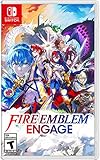
Fire Emblem™ Engage - Nintendo Switch | $66.95 | Buy on Amazon |
| 2 |
![Fire Emblem: Engage Expansion Pass - Nintendo Switch [Digital Code]](https://m.media-amazon.com/images/I/41dNEszfEVL._SL160_.jpg)
|
Fire Emblem: Engage Expansion Pass - Nintendo Switch [Digital Code] | $29.93 | Buy on Amazon |
| 3 |

|
Fire Emblem: Awakening | $57.99 | Buy on Amazon |
Difficulty and mode are two different decisions
Fire Emblem games normally ask you to choose a difficulty tier and a gameplay mode. The difficulty tier controls combat pressure: enemy strength, enemy density, skills and the map requirements you must meet. The mode controls the consequence of losing a playable unit.
Quick wins for a faster PC:
Scan for outdated or missing drivers - takes under a minuteDriver Scan →Repair Windows errors before they cause bigger problemsFix Now →Fix the driver behind crashes, sound loss and screen glitchesFind Drivers →Nintendo describes the choices in Fire Emblem Engage this way: the selected mode and difficulty affect “enemy strength and what happens to your allies when they are defeated in battle.” Engage offers Normal, Hard and Maddening difficulties, with Casual or Classic as separate mode choices.
#1 Best Overall
- Reawaken as a Divine Dragon and take down a thousand-year-old threat
- Take on turn-based, tactical combat and use Emblem Rings to customize your strategy
- Collect Emblem Rings and use them to summon heroes from past Fire EmblemTM games
- Fire EmblemTM Engage launches on January 20, 2023 alongside Fire Emblem Engage: Divine Edition featuring a steelbook case and art book
Normal, Hard, Maddening and Lunatic
- Normal: The most forgiving standard difficulty. It gives you room to learn movement, weapon matchups, objectives and resource management.
- Hard: Enemies and maps demand more deliberate positioning, forecasting and team building. It is often the best middle ground for players who have finished another strategy RPG or understand basic Fire Emblem systems.
- Maddening: Engage’s top named tier. It assumes that you know the game’s economy, enemy skills, map scripting, recruitment timing and class options.
- Lunatic: The top-tier name used by some earlier entries, including Fire Emblem Fates. It serves the same broad purpose as Maddening, but its exact rules and balance are specific to that game.
These names are not standardized across the series. Maddening in Engage is not a promise that every enemy behaves like a Maddening enemy in another title, and Lunatic in Fates is not interchangeable with Lunatic in every earlier game. Compare settings within the game you are playing.
Casual and Classic
- Casual Mode: A unit defeated in battle returns for a later battle or the next chapter, depending on the game’s implementation. Casual removes the campaign-long loss that makes a single mistake permanently alter your roster.
- Classic Mode: A unit who falls is lost forever in the campaign. Classic does not, by itself, increase enemy statistics; it increases the cost of an error.
Casual is particularly useful while learning unfamiliar maps, testing classes or recovering from an unlucky critical hit. Classic is the better fit when protecting every unit and accepting the consequences of failure are central to the enjoyment.
What actually gets harder as you raise the difficulty
Combat pressure
Higher tiers generally increase enemy statistics, the number or placement of threats, enemy skills and the precision required to satisfy map objectives. The exact scaling is title-specific, so a Hard campaign in one game may feel unlike Hard in another. Read the game’s own descriptions and expect to adjust your approach rather than rely on a series-wide formula.
Learning cost
Fire Emblem combines movement rules, weapon or matchup systems, class growth, recruitment, support bonuses, terrain and limited resources. A high difficulty exposes mistakes in several of those systems at once. On a lower tier, you can observe how an enemy range works or how a class performs without immediately having to restart the chapter. That makes a first run more informative, not merely easier.
Time and repetition
Harder tiers and Classic mode usually require more planning, more careful turn-by-turn checks and more resets after a bad result. Normal/Casual is more suitable when you have limited time or want to keep attention on the story and characters instead of replaying a map. Classic can also increase time commitment even when the combat tier is unchanged, because a single death may send you back to an earlier save.
Casual or Classic: which loss rule fits you?
Choose Casual when you want a safety net
Casual lets you continue after a defeat without permanently deleting that character from the campaign. It is a strong teaching tool: you can try a risky rescue, experiment with a new class or learn an enemy skill without making the chapter unwinnable. It also prevents an isolated critical hit from forcing an hour-long replay.
Casual does not remove all consequences. A defeated unit is unavailable for the remainder of the current battle, so you still need to complete the map with fewer actions and less firepower. You can also reset voluntarily whenever you want a cleaner result; Casual simply means the game does not require a permanent roster loss.
Crashes, No Sound, or Screen Glitches?
Random freezes, missing sound and display glitches usually trace back to one bad driver. Find and replace yours safely.Free scan · under a minutePC Slower Than It Used to Be?
A free scan shows the junk files, broken settings and background clutter dragging Windows down - then fixes them in one click.Free scan · Windows 10 & 11Rank #2
- Reawaken as a Divine Dragon and take down a thousand-year-old threat
- Take on turn-based, tactical combat and use Emblem Rings to customize your strategy
- Collect Emblem Rings and use them to summon heroes from past Fire EmblemTM games
- Fire EmblemTM Engage launches on January 20, 2023 alongside Fire Emblem Engage: Divine Edition featuring a steelbook case and art book
Choose Classic when permanent stakes are the point
Classic makes every positioning mistake, misread enemy range and failed calculation matter to the campaign. Losing a highly trained unit may change your team composition, force a new strategy or remove conversations tied to that character. Players who enjoy that tension often find Classic more satisfying even on Normal or Hard.
If you are new but want stakes, two reasonable compromises are Normal/Classic with frequent resets or Hard/Casual. The first preserves the permanent-loss rule while keeping enemy pressure manageable; the second makes battles demanding while ensuring one error does not erase a favorite unit.
How the main recent games handle their settings
| Game | Difficulty choices | Loss or assistance modes | Important qualification |
|---|---|---|---|
| Fire Emblem Engage | Normal, Hard, Maddening | Casual or Classic; Auto-Battle is also available for a more hands-off approach | Nintendo says mode and difficulty affect enemy strength and what happens when allies are defeated. |
| Fire Emblem: Three Houses | Normal and Hard; Maddening is available in the updated game context | Casual or Classic | Maddening availability depends on the installed update and downloadable-content state. |
| Fire Emblem Awakening | Three difficulty settings | Casual or Classic | Nintendo’s developers describe two modes and three difficulty settings. |
| Fire Emblem Fates | Normal, Hard, Lunatic | Casual, Classic and the distinct Phoenix Mode | Phoenix Mode revives a fallen character during the next turn and is more forgiving than standard Casual. |
Fire Emblem Engage
Engage presents Normal, Hard and Maddening, with Casual and Classic chosen separately. Nintendo’s product description says, “Normal, Hard and Maddening difficulties await, while those looking for a more laid-back experience can even use Auto-Battle to handle combat for them.” Auto-Battle is an optional way to reduce direct combat input; it is not a replacement for choosing an appropriate difficulty.
For a first Engage run, Normal/Casual teaches the game’s systems with the least friction. Hard/Casual is a better starting point if you have prior tactical-RPG experience. Maddening/Classic is designed for a later challenge after you understand Engage’s maps, resource timing, classes and enemy behavior.
The Tool Desk
Outbyte PC Repair FREEClear out junk files and repair common Windows errorsFree Scan →Outbyte Driver Updater FREEFix the driver behind crashes, sound loss and screen glitchesFind Drivers →Fire Emblem: Three Houses
Three Houses treats difficulty and gameplay mode as mix-and-match choices. Nintendo gives “play Casual mode on Normal” and “try Classic mode on Hard” as examples of how different players can tailor the experience. The game’s support information distinguishes Normal and Hard and refers to Maddening in the updated game context, so check the version installed on your system and whether the relevant downloadable content is present before assuming every tier is available.
Because the monastery, calendar and recruitment systems affect long-term planning, a first-time player can benefit from Normal or Hard while learning how to spend activity points and build supports. Classic remains a separate decision: you can learn those systems on Casual or accept permanent losses from the beginning.
Fire Emblem Awakening
In an Iwata Asks interview, Nintendo’s developers describe Awakening as having “two modes and three difficulty settings.” They specifically explain that Casual helped players who found Classic too difficult finish the game. That makes Normal/Casual a legitimate way to learn Awakening rather than a mode intended only for players who do not want strategy.
Rank #3
- IMMERSIVE STORY AND VISUALS:The deep and immersive fantasy storyline is told throughbeautiful 3D visuals and movies.
- DEEP CAST OF CHARACTERS: A massive selection of characters are at your command,withal with a unique personality and background story and different class types and skill sets.
- BONDS GROWN IN BATTLE: Team up characters to strengthen their friendships on the battlefield. The closer they grow, the better these friends and allies will fight together. Some characters can even get married!
- "9.6 out of 10. Fire Emblem Awakening is the most fluid and stunning strategy RPG experience available on a portable, and features the best storytelling and production value of any 3DS game to date" - IGN
- "4.5 out of 4 (Editor's Choice). The best Nintendo 3DS RPG to date" - Gamesradar
Fire Emblem Fates
Fates lists Normal, Hard and Lunatic. In addition to the usual Casual and Classic choices, it includes Phoenix Mode, which revives fallen characters during the next turn. Phoenix Mode is therefore more forgiving than the standard Casual rule and is its own option, not merely a different name for Casual.
Do these 3 things before closing this tab:
1Fix the driver behind crashes, sound loss and screen glitches2Repair Windows errors before they cause bigger problems3Scan for outdated or missing drivers - takes under a minuteNintendo’s developers said in an Iwata Asks interview that they thought Casual Mode would allow “100% of players to play through to the end of the main story.” That is a design aspiration expressed by the developers, not a measured completion statistic, but it explains why the mode exists: to remove a campaign-ending barrier for players who still want the story.
Independent reader supportYour contribution helps us test, update, and keep practical guides available for everyone.Which setting should you choose?
| Your situation | Recommended starting point | Reason |
|---|---|---|
| New to Fire Emblem or tactical RPGs | Normal/Casual | Learn movement, matchup systems and map objectives without a campaign-long loss. |
| New to Fire Emblem but wants meaningful stakes | Normal/Classic with resets, or Hard/Casual | One option keeps permanent-loss tension with manageable enemies; the other raises combat pressure while protecting the roster. |
| Comfortable with turn-based strategy | Hard/Casual or Hard/Classic | Enemies demand planning, and you can decide separately whether defeats are permanent. |
| Experienced in the specific title | Maddening/Classic or Lunatic/Classic | These tiers assume knowledge of maps, growth systems, recruitment and resource timing. |
| Primarily interested in story and characters | Normal/Casual | Fewer forced replays leave more time for the campaign and its conversations. |
Is Maddening or Lunatic too hard for a first playthrough?
For most players, yes. The issue is not simply that enemies have larger numbers. The top tier often expects you to know which units will join, which classes provide needed skills, when resources become available and how each map’s enemy groups activate. Without that knowledge, a decision that looks reasonable can be impossible to recover from several turns later.
There are exceptions. A player who has completed another entry, enjoys restarting maps to refine a route and is willing to consult the game’s systems can begin higher. Even then, Maddening in Engage and Lunatic in Fates should be treated as title-specific challenges, not as a generic “expert” badge that transfers automatically between games.
A practical way to decide before starting
- Decide how you feel about losing a character. If permanent loss sounds stressful or would make you abandon a chapter, select Casual. If it sounds like the tension you want, select Classic.
- Rate your system knowledge. If you do not know the game’s movement, matchup, class and resource rules, start on Normal. If those ideas are familiar, consider Hard.
- Account for your available time. Choose Normal/Casual when repeated attempts would interfere with finishing the campaign. Choose Hard or Classic when you want a slower, more deliberate run.
- Consider your tolerance for resets. Normal/Classic can work for a careful player who is happy to reset after a death; Hard/Casual suits someone who wants difficult battles without that requirement.
- Save the highest tier for a deliberate challenge. Maddening or Lunatic is most rewarding when you already understand that game’s maps, recruitment, classes and economy.
In Engage, Nintendo says you select your preferred mode and difficulty when the game starts. Treat that opening choice as a commitment to the kind of campaign you want, and use the criteria above rather than choosing the most intimidating word on the menu.
Recommended Free Tools
Common mistakes when choosing a mode
- Assuming Classic is the “hard” setting: Classic changes the consequence of defeat; Hard or Maddening changes combat pressure.
- Assuming Casual means no strategy: Units still disappear from the current battle when defeated, and objectives still require planning.
- Carrying expectations from another game: Maddening and Lunatic are title-specific, so enemy skills, map design and resource systems can differ substantially.
- Starting at the maximum tier for prestige: A blind high-difficulty run can teach less than a successful lower-difficulty run because repeated early resets hide how the broader systems work.
- Ignoring version requirements in Three Houses: Check your installed update and downloadable-content state before planning around Maddening.
The short answer
Pick Normal/Casual for a first, story-focused campaign; Hard/Casual for the best balance of pressure and forgiveness; and Hard/Classic when permanent consequences are part of the appeal. Move to Maddening or Lunatic/Classic after you know the specific game’s systems. Casual and Classic are not difficulty tiers, so choose the loss rule independently from the enemy challenge.
Quick Recap
Product prices and availability are accurate as of the date/time indicated and are subject to change. Any price and availability information displayed on Amazon at the time of purchase will apply.

