
Do these 3 things before closing this tab:
1Scan for outdated or missing drivers - takes under a minute2Repair Windows errors before they cause bigger problems3Fix the driver behind crashes, sound loss and screen glitchesiTechGuides is reader-supported. When you buy through links on our site, we may earn an affiliate commission. As an Amazon Associate I earn from qualifying purchases. Learn more
For routine maintenance, a Chromebook is usually easier. ChromeOS automatically checks for and downloads updates when the laptop is online, leaving you mainly to restart when prompted and monitor the model’s support deadline. A Windows laptop requires more decisions, but it also offers more recovery levels: startup repair, update removal, restore points, resets, reinstall options and recovery media.
That makes the practical answer conditional. Choose a Chromebook when low-maintenance updates and cloud-centered use matter most. Choose Windows when you want broader repair choices, desktop software compatibility and more control over how a damaged installation is restored. Neither platform has a universal advantage in physical repairability, repair price or recovery speed; those depend on the exact laptop and fault.
What “easier to maintain and recover” actually means
Maintenance is the routine work that keeps an operating system current and usable: downloading updates, restarting, handling failed updates and checking whether the device is still supported. Recovery is what you do after a serious problem, such as repeated startup failures, a broken update, corrupted system files or malware.
These are different experiences. A platform can be simple during normal use but offer fewer repair choices when something goes wrong. Another can expose more tools and settings while demanding more decisions from the owner. The comparison below concerns documented software workflows, not a laboratory test of recovery time, failure rates or repair costs.
#1 Best Overall

- High-speed USB 3.0 performance of up to 150MB/s(1) [(1) Write to drive up to 15x faster than standard USB 2.0 drives (4MB/s); varies by drive capacity. Up to 150MB/s read speed. USB 3.0 port required. Based on internal testing; performance may be lower depending on host device, usage conditions, and other factors; 1MB=1,000,000 bytes]
- Transfer a full-length movie in less than 30 seconds(2) [(2) Based on 1.2GB MPEG-4 video transfer with USB 3.0 host device. Results may vary based on host device, file attributes and other factors]
- Transfer to drive up to 15 times faster than standard USB 2.0 drives(1)
- Sleek, durable metal casing
- Easy-to-use password protection for your private files(3) [(3)Password protection uses 128-bit AES encryption and is supported by Windows 7, Windows 8, Windows 10, and Mac OS X v10.9 plus; Software download required for Mac, visit the SanDisk SecureAccess support page]
Routine maintenance: ChromeOS has less to manage
How Chromebook updates work
When connected to the internet, ChromeOS automatically checks for and downloads available updates. You may need to restart to complete installation, but there is normally no need to search for update packages, choose among several update channels or manually repair an ordinary update.
This convenience does not make a Chromebook maintenance-free. The device has a model-specific final update date. Google’s current policy provides up to 10 years of automatic updates for eligible Chromebooks, but the practical support period depends on the exact model and its eligibility conditions. Some older devices have extended-update conditions. Check the update schedule shown in the Chromebook’s settings before buying and periodically while you own it.
What Windows maintenance asks of you
Windows also provides automatic updates, but a problem can expose more moving parts: the installed Windows version, optional updates, device drivers, security software, encryption settings and manufacturer utilities. When an update fails or causes a new problem, Windows offers several troubleshooting routes rather than one standard recovery action.
That flexibility is useful, but it creates a larger decision tree. The exact choices and labels vary with Windows version and the laptop maker. A procedure that appears on one Windows 11 installation may be absent or labelled differently on another.
Support life matters on both platforms
Do not judge maintenance burden only by how updates arrive. Microsoft ended free Windows 10 software updates, technical assistance and security fixes on October 14, 2025. A laptop still running Windows 10 therefore needs a deliberate support decision rather than an assumption that updates will continue indefinitely.
For a Chromebook, check the device-specific final update date. For Windows, check which Windows release the laptop supports and whether the manufacturer provides current drivers. A machine near the end of its supported life can be harder to maintain regardless of how easy its update screen looks.
Recovery choices on a Chromebook
Start with the least destructive action
Google separates ordinary troubleshooting, a factory reset, a hardware reset and full ChromeOS recovery. They are not interchangeable.
Recommended Free Tools
- Restart the Chromebook. A restart can clear a temporary process or incomplete session without deleting local files.
- Use a factory reset when appropriate. This returns the software environment to a clean state, so back up important local data and confirm what will be removed before proceeding.
- Consider a hardware reset only when needed. Google documents this as a separate step. Depending on the model and procedure, some files in the Downloads folder may be deleted.
- Use ChromeOS recovery for a damaged operating system. Recovery removes and reinstalls the OS, so it is the most destructive software option.
The order matters: do not jump to OS recovery because a browser tab, extension or temporary sign-in problem behaves badly.
Rank #2

- [Package Offer]: 2 Pack USB 2.0 Flash Drive 32GB Available in 2 different colors - Black and Blue. The different colors can help you to store different content.
- [Plug and Play]: No need to install any software, Just plug in and use it. The metal clip rotates 360° round the ABS plastic body which. The capless design can avoid lossing of cap, and providing efficient protection to the USB port.
- [Compatibilty and Interface]: Supports Windows 7 / 8 / 10 / Vista / XP / 2000 / ME / NT Linux and Mac OS. Compatible with USB 2.0 and below. High speed USB 2.0, LED Indicator - Transfer status at a glance.
- [Suitable for All Uses and Data]: Suitable for storing digital data for school, business or daily usage. Apply to data storage of music, photos, movies, software, and other files.
- [Warranty Policy]: 12-month warranty, our products are of good quality and we promise that any problem about the product within one year since you buy, it will be guaranteed for free.
What full Chromebook recovery does
Google’s wording is direct: “Recovery removes and reinstalls the OS.” It permanently erases files stored on the Chromebook’s internal hard drive. Files already synchronized to cloud storage or copied elsewhere are not dependent on that local drive, but unsynchronized downloads and other local files can be lost.
Back up first. If the Chromebook will still start, copy local files to external storage or another safe location and confirm that important documents have synchronized. If it will not start, assume local data is at risk and look for any available backup before creating recovery media.
Internet recovery and USB recovery
Newer Chromebooks may be able to recover through the internet. Older models may require USB recovery media, and some older devices no longer support recovery at all. The model’s support instructions determine which route is available.
What’s actually slowing this PC down?
Pick the symptom - the matching free tool is one click away.
For USB recovery, Google specifies a flash drive with at least 8 GB of capacity that you are willing to erase. Preparing the drive deletes its existing contents. Use a drive with enough free space, copy anything on it elsewhere first, and do not treat it as a backup of your personal files.
- Identify the exact Chromebook model and read its recovery instructions.
- Back up local files before starting whenever the device allows it.
- Prepare an empty USB flash drive with at least 8 GB if the model requires USB recovery.
- Run the official recovery process and allow it to erase and prepare the drive.
- Start the Chromebook’s recovery procedure and follow the on-screen prompts.
- After ChromeOS reinstalls, sign in, apply available updates and restore files from your backup.
Recovery choices on a Windows laptop
Windows Recovery Environment
After repeated startup failures, Windows can enter the Windows Recovery Environment (WinRE). You can also reach recovery tools through the system’s recovery options when Windows still boots, or by using installation media or a recovery drive.
WinRE commonly includes several levels of intervention:
- Startup Repair: attempts to fix problems preventing Windows from starting.
- Uninstall updates: removes a recent quality or feature update when the timing points to an update-related failure.
- System Restore: returns system files and settings to an earlier restore point when one exists; it is not a substitute for a personal-file backup.
- Reset this PC: reinstalls Windows with a choice about personal files.
- Advanced startup and installation-media tools: provide additional routes when the built-in environment cannot resolve the problem.
Microsoft recommends beginning with the least disruptive applicable option and moving toward reset or reinstall only when simpler measures fail.
“Keep my files” still removes applications
Reset this PC has two important choices:
| Reset choice | What it keeps | What it removes |
|---|---|---|
| Keep my files | Personal files | Installed apps and settings; Windows is reinstalled |
| Remove everything | Nothing from the existing Windows installation | Personal files, apps and settings |
“Keep my files” is therefore not a complete preservation option. You will need to reinstall applications and reconfigure settings afterward. Back up important data anyway, because the outcome can depend on the condition of the installation and the choices made during reset.
Rank #3

- [Package Offer]: 1 Pack USB Flash Drive 8GB Available in black.
- [Plug and Play]: No need to install any software, Just plug in and use it. The metal clip rotates 360° round the ABS plastic body which. The capless design can avoid lossing of cap, and providing efficient protection to the USB port.
- [Compatibilty and Interface]: Supports Windows 7 / 8 / 10 / Vista / XP / 2000 / ME / NT Linux and Mac OS. Compatible with USB 2.0 and below. High speed USB 2.0, LED Indicator - Transfer status at a glance.
- [Suitable for All Uses and Data]: Suitable for storing digital data for school, business or daily usage. Apply to data storage of music, photos, movies, software, and other files.
- [Warranty Policy]: 12-month warranty, our products are of good quality and we promise that any problem about the product within one year since you buy, it will be guaranteed for free.
If device encryption is enabled, Windows may ask for the BitLocker recovery key. Locate and save that key before you begin a reset or other operation that could trigger an unlock request. Without it, encrypted data may remain inaccessible even if the hardware itself is functioning.
Recovery drives and installation media
A Windows Recovery Drive must be created in advance if you want to rely on that route. Microsoft states that “The Recovery Drive doesn’t include your personal files.” It can help restore or troubleshoot Windows, but it is not a backup. Maintain a separate copy of documents, photos and other irreplaceable data.
For a laptop-specific reinstall, check the manufacturer’s recovery-media instructions. Microsoft recommends the manufacturer’s media when available because it can include hardware-specific drivers and factory applications that generic Windows media may not contain. This can reduce the post-reinstall work needed to get networking, input devices and vendor utilities working correctly.
The Tool Desk
Outbyte PC Repair FREERepair Windows errors before they cause bigger problemsFix Now →Outbyte Driver Updater FREEScan for outdated or missing drivers - takes under a minuteDriver Scan →Chromebook and Windows recovery compared
| Reader concern | Chromebook / ChromeOS | Windows laptop |
|---|---|---|
| Routine update work | Automatically checks for and downloads updates while online; a restart may finish installation. Final support date is model-specific. | Offers update and recovery troubleshooting choices. Available options depend on Windows version and device configuration. |
| First response to a problem | Try a restart and less invasive troubleshooting; factory reset, hardware reset and OS recovery are separate actions. | Start with the least disruptive applicable recovery tool, then consider reset or reinstall. |
| Operating system will not start | Recovery reinstalls ChromeOS. Newer models may recover over the internet; older models may need USB or may not support recovery. | WinRE can offer Startup Repair, update removal, System Restore, Reset this PC and other tools. A recovery drive or installation media provides another route. |
| Local-data risk | Full recovery permanently erases local files; back up first. | Risk depends on the selected tool. Reset can keep personal files or remove everything; recovery media itself does not contain personal files. |
| Preparation | USB recovery, when required, needs a flash drive of at least 8 GB that will be erased. | A Recovery Drive must be created ahead of time. Manufacturer media may include model-specific drivers and factory apps. |
Which platform is easier in common situations?
You mainly want automatic upkeep
A Chromebook is the simpler choice. ChromeOS handles the ordinary update cycle with fewer decisions, provided the model remains within its support period and you have reliable internet access.
You want multiple ways to undo a bad update
Windows is more capable in this specific situation. Its recovery environment may let you remove a recent update, use a restore point or repair startup before resorting to a reset. The trade-off is that you must identify the least destructive suitable option.
You keep important files only on the laptop
Neither platform is forgiving of poor backup habits. Chromebook OS recovery erases local files. Windows reset can preserve personal files in one mode but removes apps and settings, while the destructive mode removes everything. Keep a separate backup before a failure occurs.
The laptop is old or its support status is unclear
Check lifecycle information before deciding. A Chromebook may have a fixed final update date or an older recovery method. A Windows laptop may be running Windows 10 after support ended on October 14, 2025, or may lack current manufacturer drivers. An unsupported operating system is a maintenance liability on either platform.
PC Slower Than It Used to Be?
A free scan shows the junk files, broken settings and background clutter dragging Windows down - then fixes them in one click.Free scan · Windows 10 & 11Outdated Drivers Are Slowing You Down
One free scan finds every outdated or missing driver and matches the right update for your exact hardware.Free scan · exact hardware matchYou need the manufacturer’s original software restored
Windows has a clearer documented path through manufacturer recovery media, which may restore factory applications and hardware-specific drivers. On a Chromebook, recovery reinstalls ChromeOS, but the exact method and availability remain model-dependent.
Rank #4
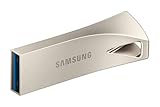
- MOVE FILES IN A FLASH: Fast and convenient read speeds up to 300 MB/s* with the latest USB 3.1 standard give you more time to work, play, watch, and create; Send a 3GB 4K UHD video file from your Bar Plus to your PC in just 10 seconds**
- RUGGED REFINEMENT: As strong as it is stylish; The sturdy metal body keeps your data safe and intact, and the integrated keyring prevents accidental misplacement or loss; The Bar Plus is the ideal combination of stunning design and worry-free durability
- TOUGH & TRUSTED: The Bar Plus a trustworthy drive to store your valuable data; It works through it all with a waterproof, shock-proof, temperature-proof, magnet-proof, and X-ray-proof body, all backed by a 5-year limited warranty***
- WORLD'S #1 FLASH MEMORY BRAND: Experience the performance and reliability from the world's #1 brand for flash memory since 2003;**** All firmware & components, including Samsung's world-renowned DRAM & NAND, are produced in-house
Prepare before anything goes wrong
- Back up personal files separately. Do not rely on a reset, recovery drive or OS reinstall to preserve data.
- Record the exact model. Recovery instructions, support dates and available media can differ even within one product family.
- Check support status. Review the Chromebook’s final update date or the Windows release and manufacturer support information.
- For Windows, save the BitLocker recovery key if encryption is enabled.
- Create Windows recovery media in advance if you intend to use that method.
- Keep an empty 8 GB-or-larger USB drive available for Chromebook recovery when the model requires USB media; preparing it erases its contents.
- Keep installation credentials and app installers available. A Windows reset that keeps personal files still removes installed applications.
Common mistakes and how to avoid them
Confusing a Chromebook hardware reset with OS recovery
A hardware reset is not the same as removing and reinstalling ChromeOS. Follow the model’s instructions and check the stated data effect before choosing either action.
Assuming a factory reset preserves local Chromebook files
Back up first. Google’s full recovery process permanently erases local files, and local data should never be treated as recoverable merely because the device can still display a recovery screen.
Reading “Keep my files” as “keep my setup”
Windows preserves personal files in that mode but removes apps and settings. Make a list of required applications, licenses and configuration details before resetting.
Quick wins for a faster PC:
Repair Windows errors before they cause bigger problemsFix Now →Scan for outdated or missing drivers - takes under a minuteDriver Scan →Clear out junk files and repair common Windows errorsFree Scan →Using recovery media as a backup
Neither a Chromebook recovery USB nor a Windows Recovery Drive is a substitute for a personal backup. Recovery media is intended to repair or reinstall the operating system.
Ignoring the laptop maker
Generic Windows tools may not restore every driver or factory application. For the best hardware compatibility, check the manufacturer’s recovery-media guidance for the exact model.
The practical verdict
For routine software upkeep, Chromebooks are generally easier: updates are automatic, the maintenance path is narrower and ordinary recovery starts with simple steps. Their weakness is the severity of full OS recovery and the importance of checking the model’s final update date.
Windows laptops require more maintenance judgment, but they provide a deeper recovery ladder. You can often try startup repair, remove a recent update, restore an earlier system state, reset while retaining personal files or perform a complete reinstall. That control is valuable when you are willing to manage backups, recovery keys, applications and manufacturer-specific instructions.
Free tools Windows power users keep installed
One-click scans. No signup required.
Choose based on the failure you are most likely to face: Chromebook for minimal routine administration; Windows for broader recovery control. Verify support life and prepare backups whichever platform you buy.
Quick Recap
Product prices and availability are accurate as of the date/time indicated and are subject to change. Any price and availability information displayed on Amazon at the time of purchase will apply.

