
iTechGuides is reader-supported. When you buy through links on our site, we may earn an affiliate commission. As an Amazon Associate I earn from qualifying purchases. Learn more
Use Snapseed’s Save (or Save a copy on iOS) for an editable master, then use Export to make the file you will share, upload, print, or open in another app. In Export, keep the original dimensions when available, choose the highest JPEG quality offered by your version of Snapseed, and check the resulting duplicate in the destination app. This workflow preserves your Healing edit while producing a broadly compatible, flattened image.
The recommended settings at a glance
Object removal uses Snapseed’s Healing tool, but it follows the same output rules as every other Snapseed adjustment. The important decision is not a special “object removal” preset; it is whether you need an editable project or a finished file.
- Remove the object with Healing. Finish the edit and inspect the repaired area at both normal viewing size and a closer zoom.
- Preserve a master. Choose Save on platforms that show that command. On iOS, use Save a copy when you want a separate working file. Google describes these workflows as non-destructive because they retain the edit stack for later changes.
- Create the deliverable. Choose Export. Export creates a duplicate with the edit stack flattened so other applications can read the visible result.
- Set output controls. Select the original dimensions, if Snapseed offers that choice, and the highest JPEG quality available when fine detail matters. The exact quality percentage is version- and platform-dependent; Google does not publish one universal number.
- Verify the duplicate. Open the exported file in the app or service that will receive it before deleting the master.
This gives you two files with different jobs: an editable working master and a compatibility copy. Keeping both avoids having to recreate the Healing work if a social network, print service, or another editor cannot interpret Snapseed’s edit stack.
Recommended Free Tools
Why object removal does not require a special export mode
The Healing tool changes pixels through Snapseed’s normal edit stack. Saving the project records that operation with the other adjustments; exporting renders the stack into a new image. There is no separate “export for Healing” command and no object-removal format that preserves more detail by itself.
#1 Best Overall

- FULL HD IPS DISPLAY - Enjoy vibrant, crystal-clear images with 178-degree wide-viewing angles
- AMD RYZEN 3 30 PROCESSOR - Everyday performance you can count on; Multitask, stream, game casually, and edit photos smoothly with responsive power and vibrant HDR visuals
- ENJOY UP TO 14 HOURS AND 15 MINUTES OF BATTERY LIFE - HP Fast Charge restores battery from 0 to 50% in approximately 45 minutes
- AMD RADEON 610M GRAPHICS - Experience smooth entertainment; Built for streaming and multitasking, enjoy realistic visuals and efficient performance for work and play
- STORAGE AND MEMORY - 512 GB PCIe NVMe M.2 SSD offers fast speed and efficient storage; and 8 GB LPDDR5 RAM memory boosts performance with higher bandwidth
Before exporting, examine the repaired region for repeated textures, straight lines that bend, halos around the removed object, or edges that no longer match their surroundings. Export cannot correct those artifacts. If the repair needs work, return to the saved master, revise the Healing edit, save again, and create a fresh export.
The distinction matters when an image is opened elsewhere. A third-party application may display the original pixels if it cannot read Snapseed’s stack, while the Export duplicate contains the rendered result. Google’s Snapseed Help specifically recommends Export “to ensure that Snapseed edits are viewable by all third party applications.”
Save, Save a copy, and Export compared
| Command | Primary purpose | Edit stack | Compatibility | Best use after object removal |
|---|---|---|---|---|
| Save | Keep the current project as a working master | Preserved for later changes | Intended for Snapseed’s editing workflow, not universal viewing | Use on platforms that provide Save when you may need to retouch the Healing result |
| Save a copy (iOS) | Make a separate working copy | Preserved according to Google’s non-destructive workflow | Not the general-purpose compatibility file | Use when you want an independent iOS master while retaining the edit stack |
| Export | Produce the finished duplicate | Flattened into the image | Designed so other applications can read the visible edits | Use for sharing, uploading, printing, or opening in another editor |
Do not treat Export as a replacement for your master when future revisions matter. The exported file is intentionally flattened. If you later decide that the removed object should be restored or the Healing area should be redrawn, the master is the version that lets you change the stack.
Free tools Windows power users keep installed
One-click scans. No signup required.
Choosing JPEG quality
Use the highest available quality for detail-sensitive output
Snapseed’s export controls expose quality choices, but Google’s current help pages do not specify one percentage that applies to every release or device. For a photograph where the repaired texture, hair, fine foliage, text, or architectural edges must remain clean, select the highest quality option shown by your app.
Rank #2

- 【Ryzen 5 6600H for Demanding Daily Performance】AMD Ryzen 5 6600H processor features 6 cores, 12 threads, and boost speeds up to 4.5GHz, delivering stronger performance for office multitasking, coding, content handling, and sustained daily workloads. Compared with many common thin-and-light Intel Ryzen 5 7430U, Core i3-1315U, Core i5-1334U, AMD Ryzen 5 7520U, and Ryzen 7 5825U configurations, it is a better fit for users who need more performance headroom.
- 【Radeon 660M Graphics】AMD Radeon 660M integrated graphics with RDNA 2 architecture supports everyday visual work, smooth media playback, light photo editing, and casual gaming needs like LoL or CS2 at 1080p settings. It is a balanced fit for students, remote workers, and entry-level creators who want capable graphics without the extra heat and power draw of a dedicated GPU.
- 【16GB RAM & 512GB SSD with Upgrade Room】16GB DDR5 memory and a 512GB PCIe SSD deliver smooth out-of-the-box performance for multitasking, large file handling, and daily storage needs. With dual SO-DIMM slots and an M.2 2280 design, the system still leaves room to upgrade up to 64GB RAM and up to 4TB SSD as your needs continue to grow.
- 【2 Year Warranty Support】Includes a 2-year manufacturer warranty and a 90-day hassle-free return window, with final assembly in the United States and after-sales replacement handled in the United States under this listing workflow. That added service clarity gives students, professionals, and home users more confidence when choosing a laptop for long-term daily use.
- 【53.58Wh Battery and 100W PD】A 53.58Wh smart battery paired with a separate 100W PD charger gives this laptop more flexibility for campus study, coffee shop work, and moving between rooms at home. The USB-C setup also supports convenient power and display connectivity, helping reduce the hassle of slow charging and frequent outlet hunting during a busy day.
A higher JPEG quality normally produces a larger file and retains more of the source detail. A lower setting reduces file size by discarding more information. The exact size difference depends on the image’s texture, noise, dimensions, and the Snapseed version, so a percentage should not be presented as a universal requirement. If you choose a numeric value based on your own workflow, label it as a preference rather than an official Snapseed standard.
When a smaller file is acceptable
For a message, a quick web preview, or a service that recompresses every upload, a lower quality may be adequate. Make that decision only after confirming the destination’s limits. If the image will be cropped later, printed, or inspected closely, start with the highest available quality and let the destination resize it rather than throwing away detail in Snapseed.
Do not export repeatedly
JPEG is a lossy format. Each new JPEG export can introduce additional compression, especially around high-contrast edges and fine patterns. Keep the saved master as your source, make changes there, and create one final Export for each destination. Avoid opening an already exported JPEG, making another change, and exporting that derivative as your new master.
What’s actually slowing this PC down?
Pick the symptom - the matching free tool is one click away.
Keeping the original dimensions
Choose the original size in Snapseed’s sizing control when that option is available. Google states that Snapseed saves at the original resolution up to the maximum size the device can process. “Original” therefore means the source dimensions subject to a device-dependent ceiling; it does not promise unlimited resolution.
Rank #3

- AN AMAZING MAC AT A SURPRISING PRICE — With an incredibly portable and durable aluminum design, up to 16 hours of battery life,* and the A18 Pro chip, MacBook Neo is ready to go wherever school takes you.
- FOUR STUNNING COLORS. ONE DURABLE DESIGN — Choose from four beautiful colors — Silver, Blush, Citrus, or Indigo — each with a color-coordinated keyboard. And MacBook Neo is made with a durable recycled aluminum enclosure that helps it reach 60 percent recycled content by weight — the most ever in any Apple product.*
- FLY THROUGH EVERYDAY ASSIGNMENTS — Whether you’re cramming for finals, using Apple Intelligence* to summarize class notes, creating presentations, or even playing the latest Apple Arcade game,* MacBook Neo delivers the performance and AI capabilities you need to get things done.
- UP TO 16 HOURS OF BATTERY LIFE — MacBook Neo delivers all day battery life, so you can power through from early morning classes to late night study sessions without worrying about plugging in.
- A VIBRANT 13-INCH DISPLAY* — The gorgeous Liquid Retina display on MacBook Neo supports 1 billion colors, so photos and videos pop and text is crisp for easy reading.
Google documents a 20-megapixel limit for Android and lists maximums for several iPhone and iPad models. Some older Android devices may top out at 8 megapixels. The applicable ceiling depends on the device and can change as Snapseed and mobile hardware evolve. A large source image may therefore export at fewer pixels than the camera file even when you select the original-size option.
How to check what you actually received
- Export the image with the original-size option selected.
- Open the duplicate in your device’s photo information view or another tool that reports pixel dimensions.
- Compare those dimensions with the source, not just the file’s megabyte size.
- If the dimensions are lower, check the device’s documented processing limit and Snapseed’s current sizing choices before exporting again.
File size alone is not a resolution test. A highly detailed image can be larger than a less detailed image with the same dimensions, while a heavily compressed image can be small without being low resolution.
JPEG or PNG?
For the normal Snapseed delivery workflow, JPEG is the dependable choice. Google documents that, on iOS, the new JPEG created by Export has the edit stack flattened and can be read by other image-editing programs. That makes it suitable for a finished photograph sent to a website, a print service, or another editor.
Do these 3 things before closing this tab:
1Repair Windows errors before they cause bigger problems2Scan for outdated or missing drivers - takes under a minute3Clear out junk files and repair common Windows errorsSnapseed versions may expose format controls, but Google’s official documentation does not guarantee a PNG workflow on every platform. Do not assume that a PNG option will appear, preserve the edit stack, or behave identically on Android and iOS. If your version offers PNG and you specifically need it, test that output in the destination application; otherwise use the highest-quality JPEG Export for a conventional photo deliverable.
Rank #4

- AN AMAZING MAC AT A SURPRISING PRICE — With an incredibly portable and durable aluminum design, up to 16 hours of battery life,* and the A18 Pro chip, MacBook Neo is ready to go wherever school takes you.
- FOUR STUNNING COLORS. ONE DURABLE DESIGN — Choose from four beautiful colors — Silver, Blush, Citrus, or Indigo — each with a color-coordinated keyboard. And MacBook Neo is made with a durable recycled aluminum enclosure that helps it reach 60 percent recycled content by weight — the most ever in any Apple product.*
- FLY THROUGH EVERYDAY ASSIGNMENTS — Whether you’re cramming for finals, using Apple Intelligence* to summarize class notes, creating presentations, or even playing the latest Apple Arcade game,* MacBook Neo delivers the performance and AI capabilities you need to get things done.
- UP TO 16 HOURS OF BATTERY LIFE — MacBook Neo delivers all day battery life, so you can power through from early morning classes to late night study sessions without worrying about plugging in.
- A VIBRANT 13-INCH DISPLAY* — The gorgeous Liquid Retina display on MacBook Neo supports 1 billion colors, so photos and videos pop and text is crisp for easy reading.
PNG is not automatically “higher quality” for a photographic Healing edit. The useful question is whether the destination requires PNG and whether your Snapseed version supports it consistently. For broad compatibility, the flattened JPEG is the documented path.
Exact workflow from Healing to final file
1. Prepare the image
Open the original photo in Snapseed and make the composition decisions before the final export. If you intend to crop, rotate, or change the canvas, perform those edits before judging the object-removal area so that you are inspecting the version you will actually deliver.
2. Remove the unwanted object
Open Tools, choose Healing, and paint over the unwanted object. Work in small sections when the object crosses different textures or edges. Finish the Healing edit, then inspect the complete photograph rather than judging only the touched area.
Quick wins for a faster PC:
Scan for outdated or missing drivers - takes under a minuteDriver Scan →Repair Windows errors before they cause bigger problemsFix Now →3. Save the editable master
Use Save where that command is available. On iOS, use Save a copy if you want a separate file that keeps the editable stack. Give this master a clear name or location so you do not confuse it with the finished JPEG. This is the version to reopen if the repair needs another pass.
Best Value
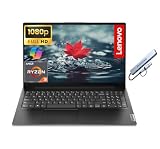
- 【Powerful AMD Ryzen 7 Performance】AMD Ryzen 3 7320 combines four cores, 8 threads, speeds up to 4.1GHz and 4MB total cache for multitasking, demanding business workloads and content creation. AMD Radeon graphics deliver smooth visuals.
- 【Outstanding 15.6" Display】1920 x 1080 high resolution LED screen provides you with a sharp and clear text and images. The ratio expands the vertical space of the screen, showing more content, providing a comfortable visual experience and greater efficiency when browsing web pages or documents.
- 【Exceptional Storage Space】Equipped with 16GB LPDDR5 RAM and up to 1TB Solid State Drive, runs smoothly, responds quickly, handles multi-application and multimedia workflows efficiently and quickly.
- 【Tech Specs】Stay connected with Wi-Fi and Bluetooth and variety of ports. The Lenovo V15 G4 laptop features 1 x USB-C, 2 x USB-A, 1 x Ethernet Port, 1 x HDMI, 1 x Headphone/Microphone Combo Jack, allowing you to connect a variety of peripherals and devices for enhanced productivity.
- 【Designed for the Office】With AMD Radeon Graphics, Numeric Keypad, Camera Privacy Shutter, Integrated Stereo Speakers, it ensures a stylish and innovative look, excellent portability, and is suitable for daily work and play. It is a great choice for businesses, offices, or students.
4. Export the compatibility copy
Choose Export and review the settings shown by your release. Select the original dimensions, subject to the device limit, and the highest available JPEG quality for a detail-critical image. On iOS, expect the documented flattened JPEG behavior.
5. Validate before delivery
Open the exported duplicate in the intended destination or in a separate viewer. Confirm that the removed object is gone, the repaired texture looks natural, the dimensions are correct, and the file can be read. Only after that check should you upload, print, or send it.
Independent reader supportYour contribution helps us test, update, and keep practical guides available for everyone.Why an edit can look different in another app
The edit stack was not rendered
The most common cause is using Save as the delivery file. Save preserves instructions for Snapseed’s workflow; it is not the compatibility copy. Export renders those instructions into a duplicate that other applications can read. Export the saved master and compare that duplicate with the destination view.
PC Slower Than It Used to Be?
A free scan shows the junk files, broken settings and background clutter dragging Windows down - then fixes them in one click.Free scan · Windows 10 & 11Crashes, No Sound, or Screen Glitches?
Random freezes, missing sound and display glitches usually trace back to one bad driver. Find and replace yours safely.Free scan · under a minuteThe destination changed the file
Some services resize or recompress uploads. To isolate that step, compare the local Export with the file after upload. If the local copy is correct but the hosted version is softer or smaller, the change occurred after Snapseed. Keep the original Export so you can identify which version was altered.
The output was made from an already compressed copy
If you opened a previous JPEG export, edited it, and exported again, the second file may contain additional compression. Return to the editable master, make the change there, and create a new final Export instead.
The device reached its processing ceiling
A file can appear different simply because it was exported at fewer pixels than the camera original. Check the actual dimensions and compare them with the device-dependent limit documented for Snapseed.
Practical settings by destination
| Destination | Master to keep | Export choice | Reasoning |
|---|---|---|---|
| Another photo editor | Save or Save a copy | Export, original dimensions, highest available JPEG quality | The other editor receives rendered pixels instead of an unreadable Snapseed stack. |
| Print service | Save or Save a copy | Export, original dimensions, highest available JPEG quality | Preserves as much detail and pixel area as the device can process. |
| Website or portfolio upload | Save or Save a copy | Export JPEG; use the service’s own size guidance if it provides one | JPEG is the documented broadly readable photo output. |
| Quick message or preview | Save or Save a copy | Export JPEG; a lower quality can be considered only when file size is more important than fine detail | Do not sacrifice the master; make a disposable delivery copy. |
| Future re-editing in Snapseed | Save or Save a copy | Do not rely on Export as the only file | The flattened duplicate cannot provide the original editable stack. |
Common pitfalls and fixes
- Keeping only the exported file: Save the editable master first. Export is a delivery copy, not a substitute for a revisable project.
- Assuming a quality percentage is universal: Use the highest option your version presents and treat any chosen number as a workflow preference.
- Expecting unlimited full resolution: Select original dimensions, then verify the result. Device processing limits can reduce the maximum.
- Assuming PNG is guaranteed: Google does not document a universal PNG workflow for every platform. Test any format control your version exposes.
- Exporting before finishing the Healing work: Inspect the repaired area first; otherwise you create a final-looking file that still contains artifacts.
- Overwriting the master with a compressed derivative: Always return to the saved working file for revisions.
- Judging quality from file size alone: Check pixel dimensions and view the image at its intended use size.
Final pre-share checklist
- The unwanted object is removed cleanly at normal viewing size and at close inspection.
- The editable master is stored with Save or Save a copy.
- The delivery file was made with Export.
- Original dimensions were selected when available, and the resulting dimensions were checked.
- The highest available JPEG quality was used when detail matters.
- The exported duplicate opens correctly in the target application.
- You are sending the Export file, not the Snapseed working master.
The reliable formula is simple: preserve the stack first, then flatten a separate compatibility copy. For most object-removal photos, that means Save (or Save a copy on iOS), followed by Export at the original available dimensions and the highest JPEG quality your Snapseed version offers.
The Tool Desk
Outbyte Driver Updater FREEScan for outdated or missing drivers - takes under a minuteDriver Scan →Outbyte PC Repair FREEClear out junk files and repair common Windows errorsFree Scan →Quick Recap
Product prices and availability are accurate as of the date/time indicated and are subject to change. Any price and availability information displayed on Amazon at the time of purchase will apply.

