
Recommended Free Tools
iTechGuides is reader-supported. When you buy through links on our site, we may earn an affiliate commission. As an Amazon Associate I earn from qualifying purchases. Learn more
For most PC players, the Valve Steam Controller is the strongest single choice for Shadow of the Colossus-style action-adventure games, provided your copy is running through a compatible Steam, streaming or emulation setup. Its TMR thumbsticks, gyro, configurable inputs, haptics and 2.4GHz, Bluetooth and USB-C connection options suit long sessions that demand precise movement, camera control, climbing and occasional aiming.
There is an important qualification: Shadow of the Colossus began on PlayStation 2, and published platform records list later PlayStation versions rather than an official native Windows edition. Your actual controller experience depends on whether you are using a verified PC port, a streaming service or an emulator. Confirm that software path first, then choose and map the controller accordingly.
Which controller is best for Shadow of the Colossus on PC?
The best all-around option is the Valve Steam Controller when you want extensive remapping and several connection choices. TMR thumbsticks are relevant to the game’s long analog movements and camera adjustments; the six-axis IMU can provide gyro input; and grip and trackpad haptics add configurable feedback. Valve lists 2.4GHz wireless, Bluetooth and USB-C tethered play, plus more than 35 hours of gameplay in its current specification.
What’s actually slowing this PC down?
Pick the symptom - the matching free tool is one click away.
If you prefer conventional console controls, an Xbox-compatible pad is the simplest layout for games that expose XInput controls, while a PlayStation-layout pad is a good fit if you want the button arrangement and labels you already know. A wired DirectInput gamepad can also work, but it may require a manual Steam Input or emulator profile. None of these categories is automatically superior: stick precision, dead-zone behavior, comfort, connection reliability and the software layer that detects the pad matter more than the logo on the shell.
#1 Best Overall

- TMR Joysticks - Offering higher sensitivity, greater precision, and enhanced durability.
- 8BitDo Exclusive Wireless Technology - “8Speed”, it delivers an exceptionally stable 2.4G connection with ultra-low latency under 1ms. Engineered for rock-solid reliability, it features strong anti-interference and a 10m range with virtually no lag.
- Trigger Mode Switch - Easily switch between linear Hall Effect triggers and non-linear tactile triggers for optimal control across different gaming scenarios.
- 1000Hz Polling Rate (for 2.4G and wired connection). Customizable 6-Axis Motion Control. Turbo function. Rumble vibration. Support 8BitDo Ultimate Software V2.
- 2 Pro back paddle buttons, extra R4/L4 bumpers, and tactile bumpers & D-pad for enhanced control and faster response. Includes a multifunctional charging dock and USB-C adapter for seamless connectivity.
Do not buy on the assumption that every PC copy of the game is plug-and-play. First identify whether you are launching a native Windows build, streaming a console version or running an emulator. That choice determines whether the game expects XInput, DirectInput, Steam Input or an emulator-specific mapping.
Why this game benefits from a careful controller choice
Third-person action-adventure games place several demands on a gamepad at once. The left stick must support gradual walking, running and directional corrections. The right stick controls a camera that you may adjust continuously while moving. Climbing and hanging sequences often require sustained directional input rather than repeated button taps, and aiming or positioning a weapon rewards predictable stick response.
These demands make a controller’s thumbstick behavior more important than a long feature list. A large dead zone can make the first part of a stick movement appear unresponsive; an inconsistent response curve can make a small camera correction feel too fast or too slow. Mechanical wear can introduce drift, causing a character or camera to move when the stick is centered. A controller with adjustable software profiles is useful because you can compensate for a particular game or emulator without changing the hardware.
Do these 3 things before closing this tab:
1Clear out junk files and repair common Windows errors2Fix the driver behind crashes, sound loss and screen glitches3Repair Windows errors before they cause bigger problemsLong sessions also expose grip and weight problems. A comfortable shape, reachable shoulder buttons and a stable wireless link are practical advantages when a single encounter lasts several minutes and you are holding the controller continuously. Vibration and haptics are secondary to accurate inputs, but they can improve feedback when the game or emulator exposes them correctly.
Valve Steam Controller: the leading feature set
Valve’s current product specification describes a controller built around configurable PC input rather than a single console layout. The following figures are the specifications stated by Valve and should be checked again for current firmware, battery information, availability and price before purchase. The listed 4ms polling rate is a specification, not an independently verified ranking against other controllers.
| Feature | Valve-listed specification | Why it matters here |
|---|---|---|
| Thumbsticks | TMR thumbsticks | Relevant to fine movement and camera corrections; actual feel still depends on calibration and the game’s response curve. |
| Motion sensor | Six-axis IMU | Can provide gyro controls when Steam Input, the game or an emulator is configured to use them. |
| Haptics | Grip and trackpad haptics | Can provide additional feedback in supported configurations. |
| Wireless | 2.4GHz connection | Useful when you want a dedicated wireless receiver path rather than Bluetooth. |
| Bluetooth | Bluetooth connection | Provides a second wireless connection method, subject to the host device and software’s Bluetooth support. |
| Wired play | USB-C tethered play | Useful for setup, charging and avoiding wireless variables while troubleshooting. |
| Battery claim | 35+ hours of gameplay | Valve’s stated figure; real runtime varies with connection mode, haptics, gyro use, firmware and battery condition. |
| Polling specification | 4ms polling rate | A listed specification, not proof that it has the lowest practical latency in every game or connection mode. |
What makes it a good match
- Fine analog control: TMR sticks are designed for precise stick sensing, which is valuable for camera panning and controlled movement. You should still test the center position and adjust dead zones in software.
- Flexible control surfaces: Steam Input can bind conventional buttons, stick axes, gyro and other available controls to the layout your software expects.
- Multiple connection choices: Start with USB-C while configuring, then select 2.4GHz or Bluetooth once the game recognizes the controller.
- Long-session features: Grip haptics and a stated 35+ hours of gameplay can reduce the need to interrupt a long session, although runtime is not a guarantee for every use pattern.
Trade-offs to understand
A feature-rich controller requires more setup than a basic XInput pad. You may need to select a community or personal Steam Input layout, decide whether gyro is active, and avoid duplicate bindings between the game and Steam Input. Trackpad and gyro controls are optional; if they make camera movement unpredictable, disable them and use the right stick alone. Wireless convenience also introduces a receiver or Bluetooth pairing step, so retain a USB-C cable for firmware, charging and diagnosis.
Choose the layout and connection that fit your software
Xbox-style layout
An Xbox-compatible controller is usually the least confusing choice when a Windows game or emulator expects XInput. The familiar left-stick movement, right-stick camera, shoulder buttons and analog triggers map naturally to action-adventure controls. On-screen prompts, when supplied by the game, are also more likely to match the letters printed on the controller than they are with a differently labeled layout.
The Tool Desk
Outbyte PC Repair FREERepair Windows errors before they cause bigger problemsFix Now →Outbyte Driver Updater FREEFix the driver behind crashes, sound loss and screen glitchesFind Drivers →That convenience is conditional rather than universal. A title launched through Steam may translate an Xbox-compatible controller through Steam Input, while an emulator may require you to select XInput explicitly. Verify that both sticks, the triggers and the menu buttons are visible in the software’s test screen before starting the game.
PlayStation-style layout
A PlayStation-layout controller is appropriate if you prefer symmetrical sticks, familiar face-button positions or PlayStation labels. Steam Input supports PlayStation 3 and PlayStation 4 controllers, but the exact behavior depends on the host, connection mode and current Steam Input configuration. If a game displays Xbox prompts, the controller can still work; you simply need to translate the labels mentally or remap the layout.
Nintendo Switch Pro layout
Steamworks documentation includes Nintendo Switch Pro controllers among the supported controller families. Confirm the button-order difference before binding face buttons, because the physical labels and the prompt conventions used by a game may not agree. A deliberate test of jump, attack, interact and cancel actions prevents errors during a boss encounter.
Rank #2
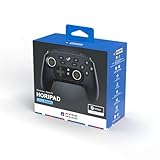
- Rechargeable wireless pro controller designed for Steam for Windows 11/10 & Steam Deck
- Dedicated buttons for quick access to Steam menus
- Capacitive Touch Thumbsticks, gyro sensor, programmable buttons, & more
- Also functions as an XInput controller for Windows 11/10 (wired mode only)
- Compatible with Steam and Steam Deck
DirectInput gamepads
Steam Input also supports DirectInput gamepads. This is useful for older or inexpensive USB controllers, but DirectInput does not guarantee that a particular game will recognize every button or axis automatically. If the game does not see the pad, add the game to Steam where appropriate, open its controller layout and assign each required input. Emulators may expose a separate DirectInput device list, so select the correct device there rather than assuming the operating system’s first gamepad is the one you are holding.
Free tools Windows power users keep installed
One-click scans. No signup required.
Wired, Bluetooth or 2.4GHz
- USB-C wired: The simplest diagnostic mode. It avoids pairing and receiver problems and lets you confirm that buttons and axes work before adding wireless variables.
- 2.4GHz wireless: A dedicated wireless path, such as the one listed for the Steam Controller, can be convenient at a desk or television. Keep the receiver positioned where the host can maintain a reliable signal.
- Bluetooth: Convenient when your computer or streaming device has compatible Bluetooth support. Pair the controller in the operating system first, then confirm that Steam or the emulator has selected that device.
Choose the mode that your computer, console-streaming device or emulator supports reliably. A wireless specification alone does not establish lower real-world latency than every wired controller; no independent cross-controller latency benchmark is established here.
Confirm the game path before buying or mapping
Shadow of the Colossus was originally released for PlayStation 2, with later PlayStation versions recorded in platform histories. Those records do not identify an official native Windows edition. On PC, you therefore need to identify one of three practical paths:
- Verified native Windows port: Use the input standard documented by that specific release. Check whether it expects XInput, DirectInput or Steam Input.
- Streaming or remote play: Pair the controller with the device running the stream or with the host software, not merely with the screen you are viewing. Confirm that the service passes both sticks, triggers and vibration through the session.
- Emulation: Select the emulator’s input backend, choose the correct controller device and create a profile for the game. The emulator may expose XInput and DirectInput as separate choices even when the operating system lists only one physical pad.
Do not assume that a controller detected by Windows is automatically detected by the game. Detection happens in layers: operating system, Steam Input or streaming software, then the game or emulator. Test each layer in order.
Step-by-step Steam Input setup
These steps apply when you are launching the software through Steam or adding a non-Steam title to Steam so Steam Input can translate the controller.
PC Slower Than It Used to Be?
A free scan shows the junk files, broken settings and background clutter dragging Windows down - then fixes them in one click.Free scan · Windows 10 & 11Outdated Drivers Are Slowing You Down
One free scan finds every outdated or missing driver and matches the right update for your exact hardware.Free scan · exact hardware match- Connect the controller by USB-C first. Wired setup removes pairing and receiver variables. Wait for the operating system to finish installing or recognizing the device.
- Open Steam’s controller settings. Confirm that Steam lists the controller and that its battery or connection status is visible when applicable.
- Add the game or launcher if necessary. For a non-Steam executable, use Steam’s option to add it to the library. The game must be launched through that Steam entry for the selected Steam Input profile to apply consistently.
- Open the game’s controller layout. Start from a standard gamepad layout if the software expects conventional controls. Choose a custom layout when you need gyro, trackpad or unusual bindings.
- Bind the essential inputs. Assign the left-stick X and Y axes to movement, the right-stick X and Y axes to camera control, both triggers to their intended analog or digital actions, both shoulder buttons, all face buttons and the menu inputs.
- Set a neutral center and dead zone. With the sticks untouched, verify that the on-screen axes remain centered. Increase the dead zone only enough to stop drift; an unnecessarily large dead zone removes the small movements needed for careful camera adjustments.
- Choose gyro behavior deliberately. If you use the six-axis IMU, bind gyro activation to a button or an agreed mode rather than leaving it active unexpectedly. Start with a low sensitivity and test horizontal and vertical camera movement separately.
- Save and test outside a difficult encounter. Walk, rotate the camera, climb, aim, open menus and cancel an action. Check that analog triggers reach their full range and that no button activates two unrelated commands.
- Switch to wireless only after the profile works. Pair Bluetooth or connect the 2.4GHz receiver, then repeat the same input test. Keep the USB-C cable available if the wireless device disappears.
Emulator-specific checks
Emulators often provide more control than a native PC game, but they also expose more ways to choose the wrong device. Open the emulator’s controller or input menu and identify the physical controller by name. Select XInput when the emulator’s profile is designed for an Xbox-style device; select DirectInput when the controller is exposed through that interface. Do not change several input backends at once, because you will not know which layer fixed or broke a binding.
Create a per-game profile when possible. Map movement and camera axes first, then map the face buttons, shoulders, triggers and menu controls. Save the profile under a descriptive name and confirm that the emulator loads it when the game starts. If the emulator offers separate analog ranges, calibrate the center and maximum values before adjusting in-game sensitivity.
Vibration may require an emulator option in addition to a controller option. Test it after basic input works; a missing rumble signal should not delay fixing movement or camera control. Likewise, use gyro only if the emulator exposes motion input and your chosen profile makes it predictable.
How to tune sticks for movement and camera control
Check for drift before changing sensitivity
Leave both sticks untouched in the controller test screen. If an axis moves on its own, increase the dead zone in small increments or recalibrate the controller. Drift that remains after reasonable calibration can indicate wear or a hardware fault; raising the dead zone too far merely hides the first part of the stick’s range.
Separate movement and camera preferences
Movement usually benefits from a full, predictable range, while camera control may feel better with a slower center and a faster outer range. If Steam Input or the emulator allows separate response curves, tune the right stick without changing the left. Test a slow camera pan, a rapid turn and a diagonal movement before settling on a profile.
Rank #3

- MULTI-PLATFORM PLAY — Play on PC, Switch 2, Switch, Android & iOS. Connect via 2.4G, Bluetooth or USB-C. Not compatible with Xbox, PlayStation, Luna or GeForce Now
- TMR ANTI-DRIFT JOYSTICKS — High-sensitivity TMR sticks deliver smooth, precise control with 5+ million cycles—2.5X the 2-million-cycle benchmark of Hall sticks
- FULL MECHANICAL BUTTONS — ABXY buttons and D-pad use mechanical switches for crisp, tactile feedback and consistent actuation in FPS, fighting and action games
- 2 PROGRAMMABLE BACK BUTTONS — Assign jump, crouch or reload without lifting your thumbs. Program directly on the controller with no app or software
- DUAL-MODE TRIGGERS — Switch between smooth Hall Effect triggers for racing and fast micro-switch triggers for FPS and action games
Preserve analog triggers
Some games use triggers as analog inputs, while others treat them as buttons. Confirm which behavior the software expects. A trigger that reaches only part of its travel can prevent a vehicle, weapon or context action from activating fully; recalibrate or adjust the trigger range before remapping unrelated buttons.
Independent reader supportYour contribution helps us test, update, and keep practical guides available for everyone.Comfort, prompts and feedback for long sessions
Hold the controller for at least several minutes before deciding that a shape is comfortable. Your thumbs should reach both sticks without stretching, and your index fingers should rest naturally on the shoulder buttons and triggers. A controller that feels fine for a five-minute menu test can cause hand fatigue during a long climb or exploration session.
Prompt matching is a usability issue, not merely cosmetic. If the game displays Xbox-style letters while you use a PlayStation-layout pad, write down the physical equivalent for the essential actions or create a Steam Input layout that places the actions where your muscle memory expects them. For a Nintendo-style layout, pay particular attention to the swapped face-button order.
Quick wins for a faster PC:
Fix the driver behind crashes, sound loss and screen glitchesFind Drivers →Clear out junk files and repair common Windows errorsFree Scan →Scan for outdated or missing drivers - takes under a minuteDriver Scan →Haptics and vibration should reinforce an already reliable mapping. The Steam Controller’s grip and trackpad haptics can be useful when supported, but disable a haptic layer that creates noise or accidental inputs. Gyro can make fine aiming easier for some players and distracting for others; treat it as an optional profile rather than a requirement.
Troubleshooting: find the layer that failed
The controller is not detected at all
- Connect by USB-C and test again.
- Try a different USB port or reconnect the wireless receiver.
- For Bluetooth, remove the old pairing and pair again in the operating system.
- Close other remapping utilities so two programs are not claiming the same device.
Steam sees the controller, but the game does not
- Confirm that the game was launched through the Steam entry with the intended layout.
- Open the controller layout and verify that both stick axes, triggers and menu buttons are assigned.
- Check whether the game expects XInput while Steam is presenting a different virtual layout.
- Restart the game after changing the profile; some titles read controller devices only at launch.
An emulator sees the wrong device or duplicate inputs
- Select the physical device by its exact name.
- Choose one backend, XInput or DirectInput, instead of enabling both simultaneously.
- Remove duplicate keyboard or virtual-controller bindings from the profile.
- Save a dedicated game profile and reload it after changing the backend.
The camera moves without touching the stick
- Check the neutral position in the controller test screen.
- Increase the right-stick dead zone gradually until the drift stops.
- Disable gyro temporarily to determine whether motion input is contributing.
- If drift persists at an impractically large dead zone, consider recalibration, repair or replacement rather than sacrificing fine camera control.
Wireless play works intermittently
- Test the same profile over USB-C to separate mapping errors from connection errors.
- Move the receiver into a clearer position or reduce obstacles between it and the controller.
- Recharge the controller and check its pairing state.
- Use wired play for diagnosis and only return to wireless after the input test passes.
Buying checklist
Use this checklist before ordering any controller. Prices, stock, firmware and warranty terms change, so verify the current listing and the manufacturer’s current specification on the day you buy.
- Software path: Identify the native PC build, streaming route or emulator and its expected input standard.
- Stick behavior: Look for precise centering, manageable dead zones and a way to calibrate or adjust response.
- Layout: Choose Xbox-style, PlayStation-style or another arrangement that matches your prompt expectations and muscle memory.
- Connection: Confirm whether your host supports USB-C, Bluetooth, 2.4GHz or more than one of these.
- Comfort: Check grip shape, weight, shoulder-button reach and the ability to play for extended periods.
- Configuration: Confirm that Steam Input, the game or the emulator can remap all required buttons and axes.
- Feedback: Treat vibration, haptics and gyro as useful extras, not substitutes for accurate sticks.
- Support: Verify firmware update procedures, warranty coverage and return terms for your region.
- Price and availability: Check the live price and stock because both can change after the specifications cited here.
Bottom line for different players
Choose the Steam Controller if
You want one configurable pad for Steam games, emulators and non-Steam software; you value TMR sticks, gyro or haptic options; and you are willing to spend time creating and testing a layout. Its 2.4GHz, Bluetooth and USB-C modes let you adapt the connection to your setup, while Valve’s stated 35+ hours of gameplay supports long sessions when actual conditions are similar.
Choose an Xbox-compatible pad if
Your priority is a conventional layout and the software you use explicitly expects XInput. This is the straightforward route when you want familiar prompts and minimal remapping, provided the specific game, stream or emulator recognizes the device.
Choose a PlayStation-layout pad if
You already use that button arrangement and want symmetrical sticks or familiar labels. Plan to verify prompt translation and Steam Input behavior rather than assuming that a console layout will be presented exactly as printed on the shell.
Choose a wired DirectInput pad if
Low complexity and a cable are more important than wireless freedom, and you are comfortable assigning the controls manually in Steam Input or an emulator. Test every axis and button before relying on it for a full playthrough.
The decisive purchase is the controller that your exact software path detects consistently, centers accurately and lets you adjust without fighting the game’s prompts. For a flexible PC setup, the Valve Steam Controller is the most complete documented option; for a simple conventional setup, select the compatible layout and input standard that your game or emulator actually expects.
Quick Recap
Product prices and availability are accurate as of the date/time indicated and are subject to change. Any price and availability information displayed on Amazon at the time of purchase will apply.

