
Short answer: the Galaxy Ultra is the more documented fit if you want several telephoto framing options, while the Pixel Pro offers a 5x telephoto, an ultrawide with autofocus and Macro Focus, and a broad set of computational photography and editing features. This comparison uses the Samsung Galaxy S26 Ultra and Google Pixel 10 Pro, based on official specifications consulted on October 4, 2026. Those specifications describe features—not which phone produces better photos overall.
Which models are being compared?
“Galaxy Ultra” and “Pixel Pro” refer to product families, not single fixed camera configurations. Here, the specific models are the Samsung Galaxy S26 Ultra and Google Pixel 10 Pro. Configurations and availability can vary by market, so check the local product listing before buying.
The figures below come from Samsung UK’s S26 Ultra specifications, Samsung UK’s comparison page, and Google’s Pixel 10 Pro specifications. They are manufacturer-listed specifications and features, not independent camera test results.
How do their cameras and zoom systems differ?
| Feature | Samsung Galaxy S26 Ultra | Google Pixel 10 Pro |
|---|---|---|
| Rear cameras | Samsung UK lists a 200 MP wide, 50 MP ultrawide, and 50 MP telephoto camera. Samsung’s comparison page describes 50/10 MP Quad Telephoto. | Google lists a triple rear system: 50 MP wide, 48 MP ultrawide with autofocus and Macro Focus, and 48 MP 5x telephoto with optical image stabilization. |
| Optical zoom and focal coverage | Samsung’s comparison page describes 3x and 5x optical zoom and up to 100x Space Zoom. Samsung Canada specifies optical-quality zoom at 2x and 10x as well as 3x and 5x optical zoom; those details are market-specific. | Google lists 5x optical zoom. Its stated optical-quality zoom points are 0.5x, 1x, 2x, 5x, and 10x. |
| Maximum advertised zoom | Up to 100x Space Zoom, according to Samsung’s comparison material. | Pro Zoom up to 100x, according to Google. |
| Close-up feature | The cited Samsung specifications list a 50 MP ultrawide; they do not establish a comparable macro-performance result. | The 48 MP ultrawide has autofocus and Macro Focus, according to Google. |
Both companies advertise zoom up to 100x, but neither figure means 100x optical magnification or proves that a photo at the maximum retains useful detail. Megapixel counts describe camera specifications; on their own, they do not show how well a finished image handles detail, exposure, color, or motion.
#1 Best Overall
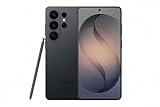
- PRIVACY DISPLAY: Automatically hide your screen from those beside you. The built-in privacy display can be preset¹ to turn on when receiving notifications, typing passwords, or using specific apps
- TYPE IT IN. TRANSFORM IT FAST: Enhance any shot in seconds on your smartphone by using Photo Assist² with Galaxy AI.³ Add objects, restore details, or apply new styles by simply typing or tapping
- NIGHTS, CAPTURED CLEARLY: From gigs to city lights, record and capture moments after dark with clarity using Nightography so your photos and videos stay crisp and clear on your Samsung Galaxy
- MAKE IT. EDIT IT. SHARE IT: Turn everyday moments into something personal with creative tools built right into your mobile phone, whether it’s a special contact photo, custom wallpaper, an invitation or more⁴
- HELP THAT KEEPS UP: Stay in the moment while Now Nudge with Galaxy AI helps you respond faster and stay organized with smart suggestions⁵ that appear exactly when you need them on your phone
Which phone suits your subjects and habits?
For distant subjects and flexible framing
Samsung documents multiple telephoto focal lengths, including 3x and 5x optical zoom in the cited comparison material. That gives the S26 Ultra a clearly specified multi-telephoto approach. Google lists one 5x optical telephoto on the Pixel 10 Pro, alongside its stated optical-quality zoom points. If you regularly photograph distant subjects, compare sample images at the framing you actually use; a maximum zoom label does not settle detail or consistency.
For close-ups and ultrawide shots
Google explicitly lists autofocus and Macro Focus on the Pixel 10 Pro’s 48 MP ultrawide. That makes the feature set relevant if you want to focus on nearby subjects or switch between close-ups and wider scenes. Samsung lists a 50 MP ultrawide, but the cited specifications do not establish an equivalent macro feature or show which phone makes better close-up images.
Rank #2

- PRIVACY DISPLAY: Automatically hide your screen from those beside you. The built-in privacy display can be preset¹ to turn on when receiving notifications, typing passwords, or using specific apps
- TYPE IT IN. TRANSFORM IT FAST: Enhance any shot in seconds on your smartphone by using Photo Assist² with Galaxy AI.³ Add objects, restore details, or apply new styles by simply typing or tapping
- NIGHTS, CAPTURED CLEARLY: From gigs to city lights, record and capture moments after dark with clarity using Nightography so your photos and videos stay crisp and clear on your Samsung Galaxy
- MAKE IT. EDIT IT. SHARE IT: Turn everyday moments into something personal with creative tools built right into your mobile phone, whether it’s a special contact photo, custom wallpaper, an invitation or more⁴
- HELP THAT KEEPS UP: Stay in the moment while Now Nudge with Galaxy AI helps you respond faster and stay organized with smart suggestions⁵ that appear exactly when you need them on your phone
For low light and moving subjects
Samsung attributes low-light improvements to wider apertures and its ProVisual Engine, and describes camera AI. Google lists Night Sight and Astrophotography. These are each company’s descriptions of its own features, not evidence of a low-light winner. Check independent examples in dim indoor scenes and at night, and include moving people or pets: a still scene and a fast subject test different parts of a camera system.
For portraits and skin tones
The official specifications cited here do not establish which phone renders portraits or skin tones more naturally. Compare portraits of people with varied skin tones in both daylight and indoor lighting, paying attention to facial detail, background separation, and whether results remain consistent across the cameras you would use.
Recommended Free Tools
Rank #3

- PRIVACY DISPLAY: Automatically hide your screen from those beside you. The built-in privacy display can be preset¹ to turn on when receiving notifications, typing passwords, or using specific apps
- TYPE IT IN. TRANSFORM IT FAST: Enhance any shot in seconds on your smartphone by using Photo Assist² with Galaxy AI.³ Add objects, restore details, or apply new styles by simply typing or tapping
- NIGHTS, CAPTURED CLEARLY: From gigs to city lights, record and capture moments after dark with clarity using Nightography so your photos and videos stay crisp and clear on your Samsung Galaxy
- MAKE IT. EDIT IT. SHARE IT: Turn everyday moments into something personal with creative tools built right into your mobile phone, whether it’s a special contact photo, custom wallpaper, an invitation or more⁴
- HELP THAT KEEPS UP: Stay in the moment while Now Nudge with Galaxy AI helps you respond faster and stay organized with smart suggestions⁵ that appear exactly when you need them on your phone
For video
Google lists optical and electronic stabilization on the Pixel 10 Pro’s wide and telephoto cameras. The specifications used here do not provide a controlled comparison of video stabilization, exposure changes, audio, or footage from the two phones. If video matters, assess walking clips, panning, indoor lighting, and captured sound rather than inferring video quality from still-camera specifications.
What are the camera software and editing differences?
Google lists Camera Coach and editing features including Magic Eraser and Best Take, as well as Night Sight and Astrophotography. Samsung describes its ProVisual Engine and camera AI. The features suggest different tools and workflows, but their presence does not demonstrate that one phone’s images or edits are better. Consider whether you prefer to adjust shots in the camera app, use automated suggestions, or edit after capture.
Rank #4

- Amazon Renewed condition : May have few minor scuffs or scratches;
- Amazon Renewed condition : May have few minor scuffs or scratches
- This device is unlocked and will be compatible with all major Canadian carriers
- Network bands in regions may be different depending on the mobile operator and your location; Available storage is less due to phone software updates and apps usage
What should you check before choosing?
- Review independent, comparable samples. Look for daylight, indoor and night scenes, moving subjects, portraits, zoom at several framing points, close-ups, and video. The official specifications cited above do not include a controlled head-to-head image-quality test.
- Compare the framing you actually use. Check the telephoto steps and ultrawide behavior, not just each brand’s maximum zoom claim.
- Try the workflow. If possible, handle each camera app and see whether its shooting and editing tools suit you.
- Check local terms. Verify current price, storage configuration, availability, warranty, and software details for your market; those can vary and are not established by the camera specifications.
For physical context, Samsung Electronics’ 2026 first-quarter interim report lists the S26 Ultra at 6.9 inches and 214 g; Samsung’s cited product page also lists 214 g. The sources used here do not establish a directly comparable Pixel 10 Pro size or weight, so this is not a full handling comparison.
Quick Recap
Best Value
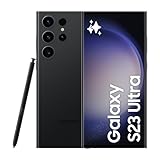
- 6.8" Dynamic AMOLED 2X QHD+ display with 1–120 Hz adaptive refresh rate, up to ~1750 nits brightness, HDR10+ support, and ultra-smooth responsiveness for gaming and scrolling.
Product prices and availability are accurate as of the date/time indicated and are subject to change. Any price and availability information displayed on Amazon at the time of purchase will apply.

