Quick wins for a faster PC:
Scan for outdated or missing drivers - takes under a minuteDriver Scan →Clear out junk files and repair common Windows errorsFree Scan →Fix the driver behind crashes, sound loss and screen glitchesFind Drivers →iTechGuides is reader-supported. When you buy through links on our site, we may earn an affiliate commission. As an Amazon Associate I earn from qualifying purchases. Learn more
Do you want to change the notification sound on your Ubuntu Linux-based computer but don’t know how? You should read through this detailed guide as it provides several methods to achieve that.
Option 1: Change Alert Sound Through Settings
The easiest way to modify the notification sound on your Ubuntu computer is through the settings in the GUI. The steps listed below will show you how to do that.
- Open the application menu in Ubuntu by clicking the Show Applications icon on the dock. Then, type “settings” in the search field and pick the Settings program from the search result.

- In the Ubuntu settings, select Sound among the options on the left pane.

- Finally, in the Alert Sound section on the Sound page, you can choose a new notification sound for your Ubuntu PC.

Option 2: Modify Notification Sound Via Terminal

Interestingly, you can also change the alert sound of your Ubuntu Linux-based computer through the terminal. To learn how to do that, observe the subsequent procedures and screenshots below.
PC Slower Than It Used to Be?
A free scan shows the junk files, broken settings and background clutter dragging Windows down - then fixes them in one click.Free scan · Windows 10 & 11Outdated Drivers Are Slowing You Down
One free scan finds every outdated or missing driver and matches the right update for your exact hardware.Free scan · exact hardware match- Click the Show Applications icon on the Ubuntu dock to open the application menu. Next, input “terminal” in the search field, then select the Terminal program from the search result.

- In the Ubuntu terminal, execute the command below to navigate to the alert sounds directory.
cd /usr/share/sounds/gnome/default/alerts/

- After doing that, run the command below to list the available notification sounds.
ls

- Now, execute the subsequent command to change the notification sound. However, replace “sound name” with the name of any available alert sound to which you wish to change your PC’s notification sound.
gsettings set org.gnome.desktop.sound theme-name "sound name"
For instance, if I wish to change my notification sound to “drip.ogg,” below is what the command should look like.
Popular on Amazon

- IMPORTANT UPDATE NOTICE -- Based on extensive customer advises, we’ve rolled out two major upgrades to this desktop speaker. First, volume control buttons have been added. Second, we increased the product thickness for a larger sound cavity, bringing moderate improvements in sound quality and volume.
- HIGH-QUALITY SOUND -- This laptop speaker is equipped with Dual 3W High-Excursion Drivers & Passive Radiator, delivering louder sound, wider dynamic range, enhanced bass and reduced distortion.
- ONE CABLE FOR BOTH AUDIO & POWER -- No 3.5mm AUX jack needed. Just one USB cable delivers both audio signal and power for the computer speaker to cut down cable clutter.
- WIDE SYSTEM COMPATIBILITY -- This upgraded PC speaker works with Windows, macOS, Linux and ChromeOS laptops & PCs, compatible with HP, Lenovo, ThinkPad, ASUS, Dell, Samsung, Acer, LG and more. Simply install the latest audio driver for smooth audio playback.
- PLUG-N-PLAY FOR SIMPLE SETUP -- For Windows PCs: Plug the speaker into your computer’s USB port, click the taskbar “Speaker” icon, then select “USB Speakers” as your playback device, and you’re ready.
gsettings set org.gnome.desktop.sound theme-name "drip.ogg"

Frequently Asked Questions
Yes, the Ubuntu operating system comes with a few pre-installed alert sounds.
A notification sound is a sound produced when a notification or alert is delivered to a device.
Also popular on Amazon

- [COMPATIBLE WITH USB DEVICES] - Our USB Speakers are compatible with Windows, macOS, ChromeOS, and Linux, making them ideal for PC, laptop, and desktop computer. Incompatible Devices: Monitors TVs and Projector.
- [COMPATIBLE WITH USB-C DEVICES] - Thanks to the built-in USB-C to USB Adapter, our USB-C speakers are now compatible with devices that only have USB-C interface, such as the latest MacBook, Mac mini, iMac, iPad, Android phones, and tablets.
- [INCREDIBLE LOUD SOUND WITH RICH BASS] - Our small computer speaker is equipped with dual ultra-magnetic drivers and dual passive radiators, providing high-quality stereo sound with powerful volume and deep bass for an incredible audio experience.
- [ADAPTIVE-CHANNEL-SWITCHING WITH G-SENSOR] - Ensures the left and right sound channels remain correctly positioned whether the speaker is clamped to the top or bottom of your monitor.
- [CONVENIENT TOUCH CONTROL] - Three intuitive touch buttons on the front allow for easy muting and volume adjustment.
To change the alert sound of your Ubuntu computer, follow the listed steps below.
a) Open the application menu in Ubuntu by clicking the Show Applications icon on the dock.
b) Then, type “settings” in the search field and pick the Settings program from the search result.
c) In the Ubuntu settings, select Sound among the options on the left pane.
d) Finally, in the Alert Sound section on the Sound page, you can choose a new notification sound for your Ubuntu PC.
The Ubuntu Linux-based operating system supports the “.ogg” file format for notification sounds.
Also popular on Amazon

- External computer speaker in Black (set of 2) for amplifying PC or laptop audio
- USB-Powered from USB port of PC or Laptop
- In-line volume control for easy access
- Blue LED lights; metal finish and scratch-free padded base
- Bottom radiator for “springy” bass sound
The Ubuntu Linux-based operating system was released in October 2004.
Conclusion
By default, the Ubuntu Linux-based operating system comes with a couple of pre-installed alert sounds. Also, the operating system offers the ability to change the alert sound at any given time.
Also popular on Amazon
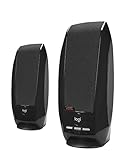
- Balanced audio sound with depth - 2 Watts Peak/ 1.2 Watts RMS power produces immersive and crystal clear sound.
- Simple and quick USB connection. Just plug the speakers into your computer USB-A port. An orange LED stays lit when your speakers are on. Disconnect the USB-A cable to power off.
- Easy controls. You can easily control the volume or mute on the front of the right speaker to get great audio experience.
- They are slim, lightweight and easy to move around so you can accommodate your setup and get perfect sound wherever you are.
- Your long lasting product set with a solid build quality.
Thereby enabling users to personalize their computer’s sound and create a more pleasant computing experience. However, not every Ubuntu user knows how to change the notification sound, even though it is a simple process.
Free tools Windows power users keep installed
One-click scans. No signup required.
Gladly, this guide demonstrated multiple ways to modify the alert sound in Ubuntu. To be more specific, we discussed how to carry out this task through the Ubuntu settings in the GUI (Graphical User Interface).
Also popular on Amazon
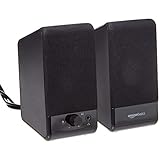
- USB-powered (5V) speakers plug directly into your computer for portable convenience
- Turn the speakers on and adjust the volume using one simple control (located on the front of the speakers); volume control includes On/Standby
- Simple plug-and-play setup (no drivers needed); can be used with headphones via the 3.5mm jack connector
- Frequency range of 103 Hz - 20 KHz; 2.2 watts of total RMS power (1.1 watts per speaker)
- Measures 2.76 by 3.55 by 5.3 inches (LxWxH); weighs approximately 1.4 pounds;
Additionally, this guide also taught us how to change the alert sound in Ubuntu through the terminal.
I hope you were able to change the notification sound on your Ubuntu computer with the help of this guide. If you were, click on “Yes” beside the “Was this page helpful” question below.
You may also express your thoughts and opinions by using the “Leave a Reply” form at the bottom of this page.
Do these 3 things before closing this tab:
1Scan for outdated or missing drivers - takes under a minute2Repair Windows errors before they cause bigger problems3Fix the driver behind crashes, sound loss and screen glitchesBefore you leave this page, you can visit our Linux how-to page to find our other helpful Linux how-to guides.
Quick Recap
Product prices and availability are accurate as of the date/time indicated and are subject to change. Any price and availability information displayed on Amazon at the time of purchase will apply.